Families are Struggling with Grocery Prices, without Free Lunches
Families are Struggling with Grocery Prices, without Free Lunches
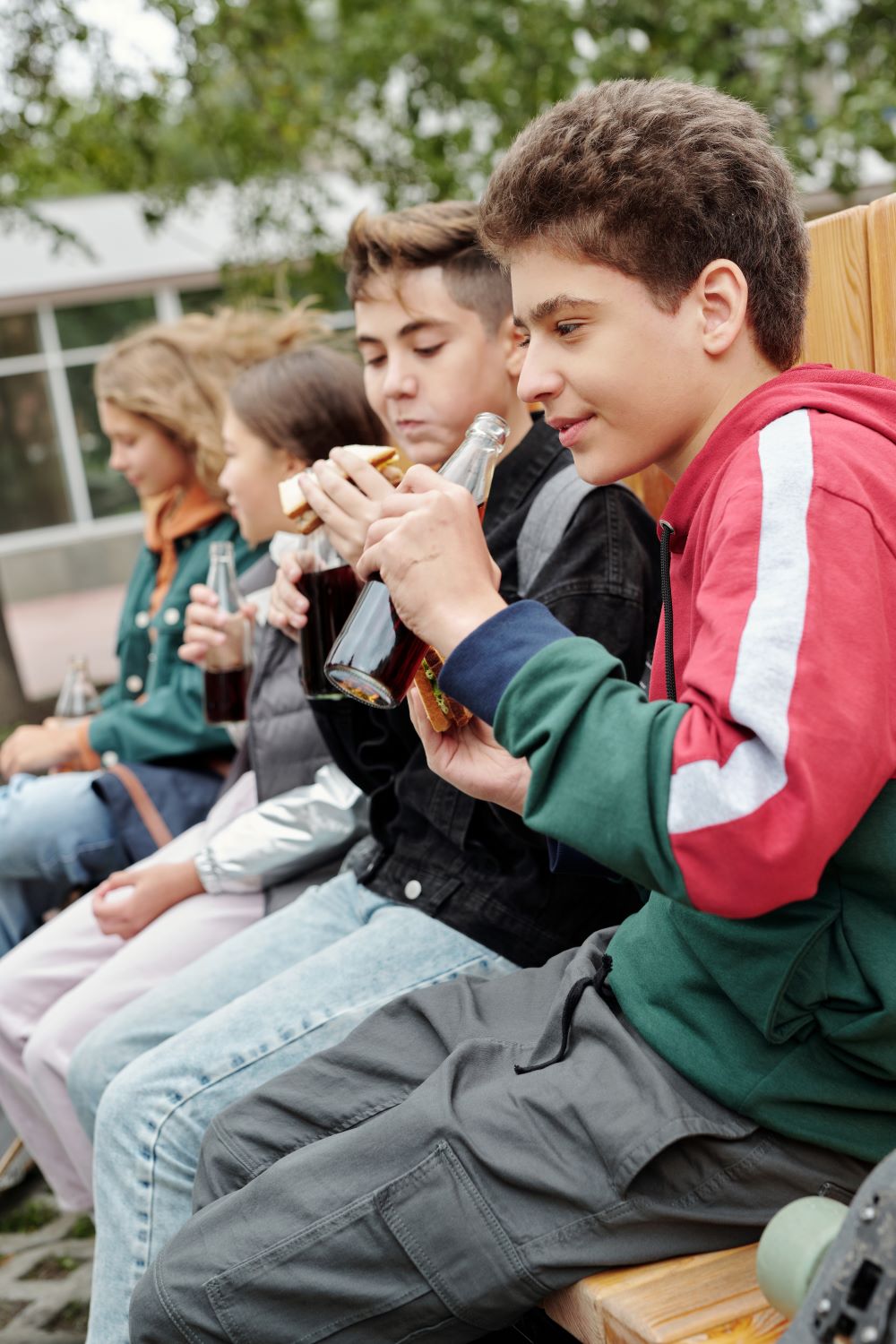
With food prices skyrocketing under the intense inflation that’s hitting the U.S., nearly 30 million students and their families are suddenly trying to find space in the budget for school lunch again, for the first time since the pandemic and free lunches.Many were unaware that the universal free lunch program had ended as of the beginning of this year’s school year and many who were reliant on this program no longer qualify for non-pandemic programs. Those families are suddenly trying to provide hot lunches for their school-age kids while trying to cut costs in other areas as much as possible.As schools try to keep their students fed in this tumultuous period of rising costs, they’re dealing with a new problem: unpaid lunch fees. September, the beginning of the school year for a majority of U.S. students, marked the end of the federally funded pandemic program that made sure all students received free lunch at school.Many of the school districts believe the federal government didn’t handle the abrupt end of the program well at all. Providing these families with a free lunch option and alleviating financial concerns, then suddenly ending it gave families in need very little time to try to adjust. This is especially true for those who were simultaneously forced to adjust to the other rising costs affecting their tight budgets.
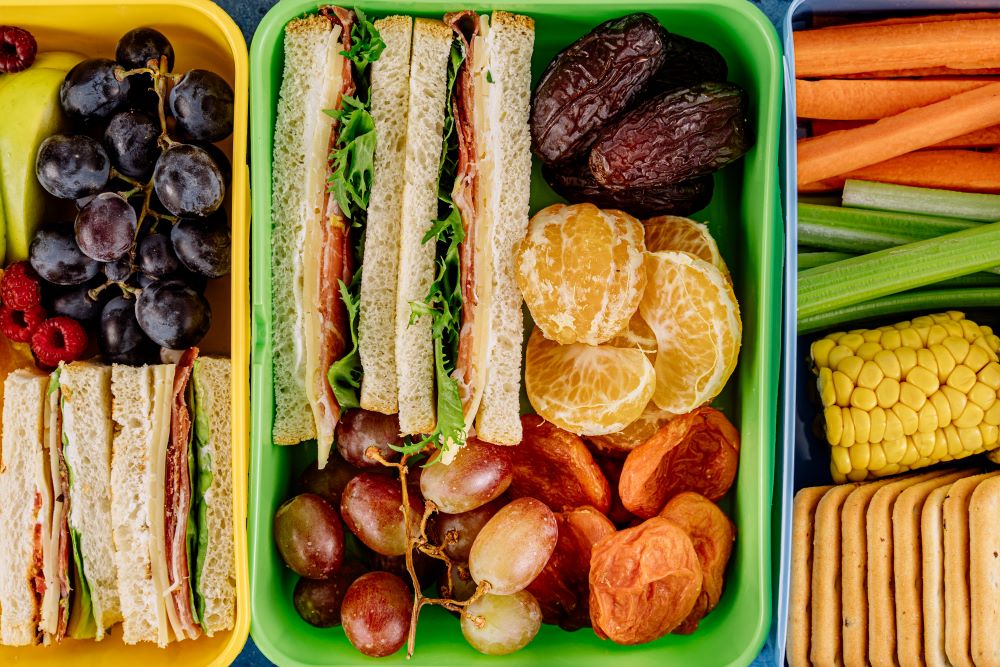 Photo by Antoni Shkraba from Pexels
Sources:
Schools ended universal free lunch. Now meal debt is soaringSchools, Families feel the pinch after end of federal free meal programFamilies Struggle as Pandemic Program Offering Free School Meals Ends
About Sara E. Teller
Sara is a credited freelance writer, editor, contributor, and essayist, as well as a novelist and poet with nearly twenty years of experience. A seasoned publishing professional, she's worked for newspapers, magazines and book publishers in content digitization, editorial, acquisitions and intellectual property. Sara has been an invited speaker at a Careers in Publishing & Authorship event at Michigan State University and a Reading and Writing Instructor at Sylvan Learning Center. She has an MBA degree with a concentration in Marketing and an MA in Clinical Mental Health Counseling, graduating with a 4.2/4.0 GPA. She is also a member of Chi Sigma Iota and a 2020 recipient of the Donald D. Davis scholarship recognizing social responsibility. Sara is certified in children's book writing, HTML coding and social media marketing. Her fifth book, PTSD: Healing from the Inside Out, was released in September 2019 and is available on Amazon. You can find her others books there, too, including Narcissistic Abuse: A Survival Guide, released in December 2017.