Fake Comments Have Real Consequences
Fake Comments Have Real Consequences
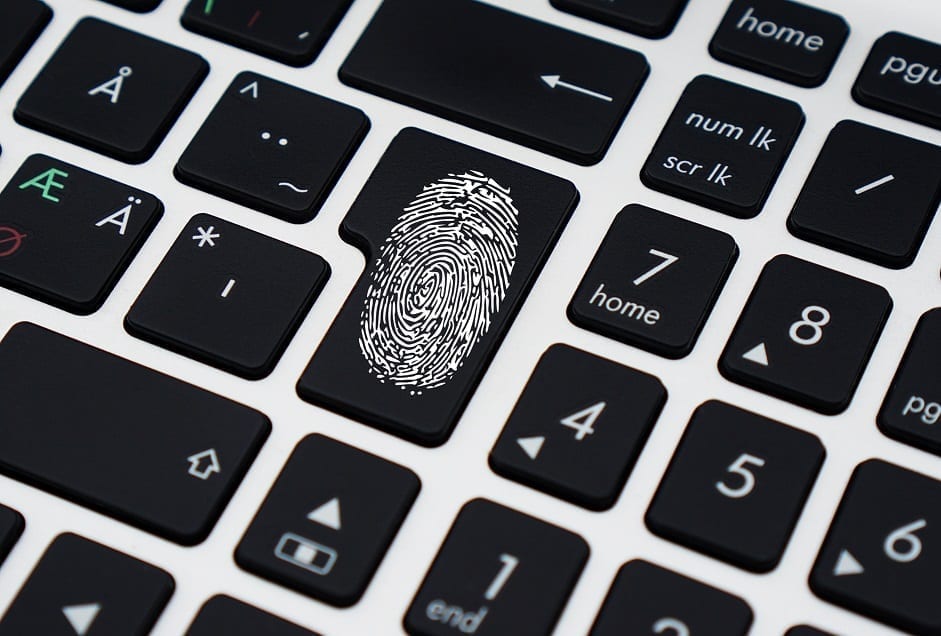
The internet isn't just a place where we post SpongeBob memes and talk about the new Star Wars movie. It's also a battleground. As more and more of our daily lives take place online, websites and internet traffic have become key targets, irresistible to people who want our data and are willing to do anything to get it. And what they do with our information causes real harm, not just to our pocketbooks and sense of wellbeing, but also to the social fabric of our democracy. Consider, for example, the millions of fake comments submitted to the FCC in the lead up to the recent net neutrality decision.For opinionated yet busy people, online protests are mighty convenient. You've probably seen those sites that allow you to copy a form letter, change or add some words if you like, and email it to your Congresscritters in a moment or two of armchair activism. On the other end, government agencies like the FCC typically allow some degree of public commentary before making policy decisions that affect all of us. Prior to reversing the Obama era policy on net neutrality, the FCC received a flood of messages, purportedly from the public, urging a decision one way or the other on the subject.Several investigations into those messages found odd results. Many of them have identical language or other patterns that indicate that they're fake comments, posted by spammers or bots. One researcher found that out of the 22+ million public comments submitted to the FCC, fewer than 880,000 of them were unique.
 Credit card theft; image by Don Hankins, via Flickr, CC BY 2.0, no changes made.
Sources:
Many comments on regulations are fake, WSJ investigation finds
As FCC Prepares Net-Neutrality Vote, Study Finds Millions of Fake Comments
More than a Million Pro-Repeal Net Neutrality Comments were Likely Faked
A.G. Schneiderman Releases New Details On Investigation Into Fake Net Neutrality Comments
“Suspicious” event routes traffic for big-name sites through Russia
USA TODAY's list of the biggest data breaches and hacks of all time (Hint: Uber's only #12)
Fake FCC Comments
About Dawn Allen
Dawn Allen is a freelance writer and editor who is passionate about sustainability, political economy, gardening, traditional craftwork, and simple living. She and her husband are currently renovating a rural homestead in southeastern Michigan.