
Eyes in the Skies: The Legality of Drone Surveillance
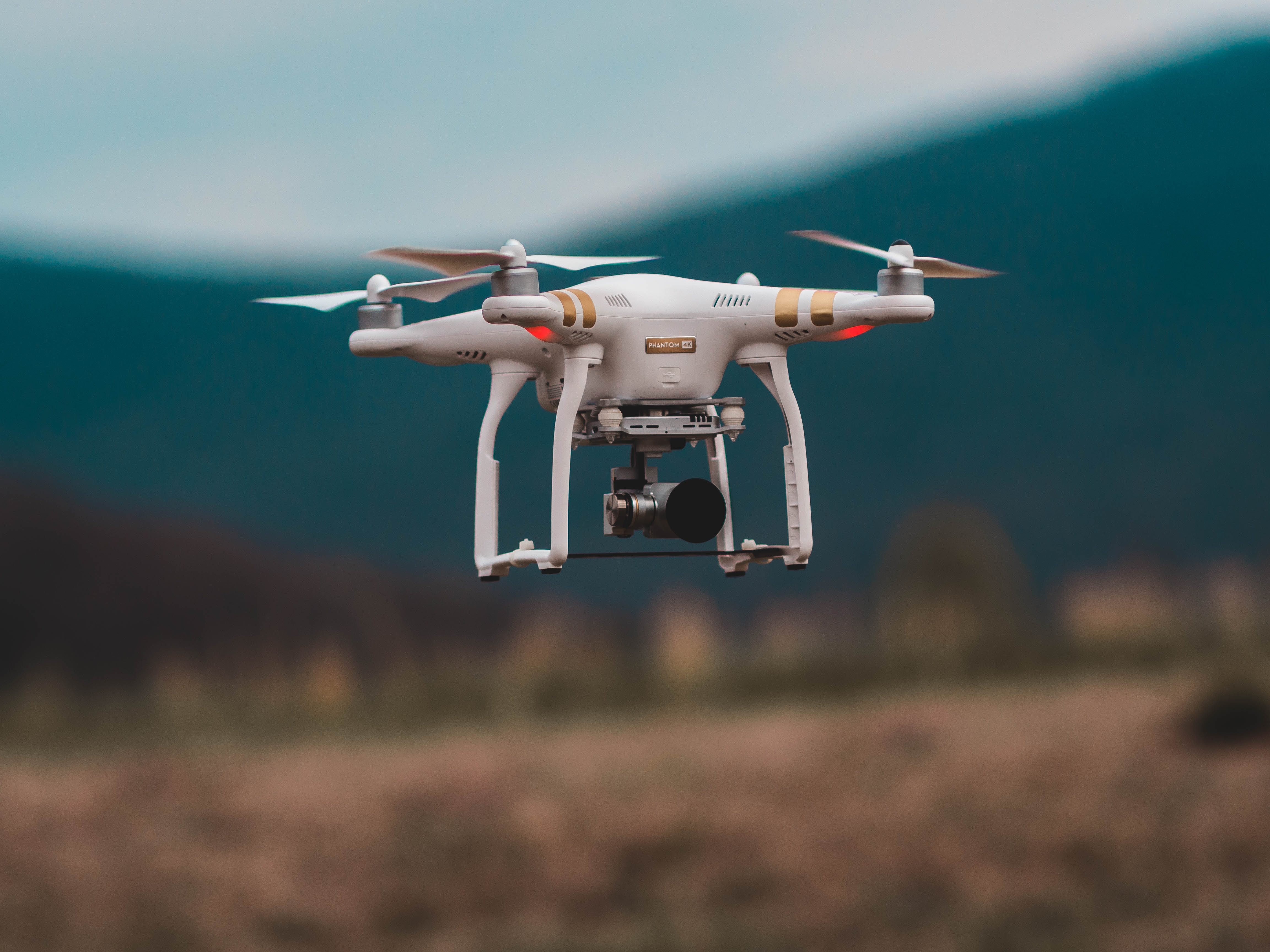
Eyes in the Skies: The Legality of Drone Surveillance
Drones that film your every move from above seem like an invasion of privacy, but what does the law say? Learn everything you need to know about aerial or drone surveillance here. It’s becoming increasingly difficult to balance technological advancements with each person’s right to privacy, and the drone industry is no different. It’s obvious that privacy is expected in your own home or backyard, but how much of a burden does the drone operator have to prevent privacy violations?According to federal law, airspace is treated in the same way as other public areas like roads, parks, and sidewalks. That means citizens SHOULD NOT have an expectation of privacy from the skies. It isn’t against the law to take photographs and video from a drone or airplane, even if that airspace is directly above your home. Does that mean citizens, law enforcement agencies, and even the government itself have a right to spy on you with the use of drones and other equipment? The answer largely depends on whether your state has passed laws regarding drones or not. Here are a few states that have passed drone-related legislation:
Florida: using drones in violation of someone’s privacy is prohibited
Arkansas: it’s illegal to commit video voyeurism or invade privacy with drones
California: forbids using drones to record others without consent
Illinois: Unmanned Ariel System Oversight Task Force Act regulates private and commercial drone use.
Maine: law enforcement agencies must have a warrant to use dronesMississippi: prohibits the use of drones to spy on another (the act is a felony crime)
North Dakota: law enforcement’s use of drones is limite
Tennessee: prohibits drones over prisons and public gatherings
Texas: it’s against the law to fly drones over any “critical infrastructure facility”
Virginia: police must have a warrant to use drones for surveillance
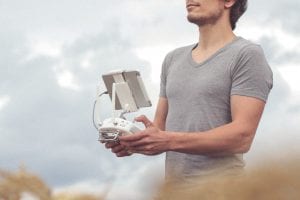 Man holding white and gray drone controller; image by Christian Langenhan, via Unsplash.com.
A cause of action for trespass
A cause of action for an invasion of privacy
About Jennifer Martin
Jennifer Martin is the founder and owner of Polymatheia’s Scroll, a legal writing service for law firm marketing. Her focus is on generating captivating blog posts and articles for internet users with legal questions. Her attention grabbing and SEO-driven content results in more leads for law firms.