Enhancing CAR T-Cell Therapy with CAR-Enhancer Treatments
Enhancing CAR T-Cell Therapy with CAR-Enhancer Treatments
In a study published in the journal Nature Biotechnology, researchers at the Dana-Farber Cancer Institute outline a new technique they’ve developed to address the issue of cancer patients relapsing after reaching full remission using CAR T-cell therapies.CAR T-cell therapies have transformed cancer treatment, particularly for certain blood cancers. This form of therapy involves reprogramming a patient’s own immune cells to fight the disease. Doctors collect T cells from their blood, then genetically modify the cells in the lab to produce special proteins, called chimeric antigen receptors (CARs), that can recognize and attack cancer cells. After the cells are multiplied in the lab, they are infused back into the patient’s bloodstream, where they seek out and destroy the cancer cells.In multiple myeloma, nearly all patients initially respond well to CAR T-cell therapies, but most relapse, with half of the relapse occurring in one to two years. The new approach aims to make CAR T-cells more active and long-lasting for they continue to fight cancer until all tumor cells are destroyed.
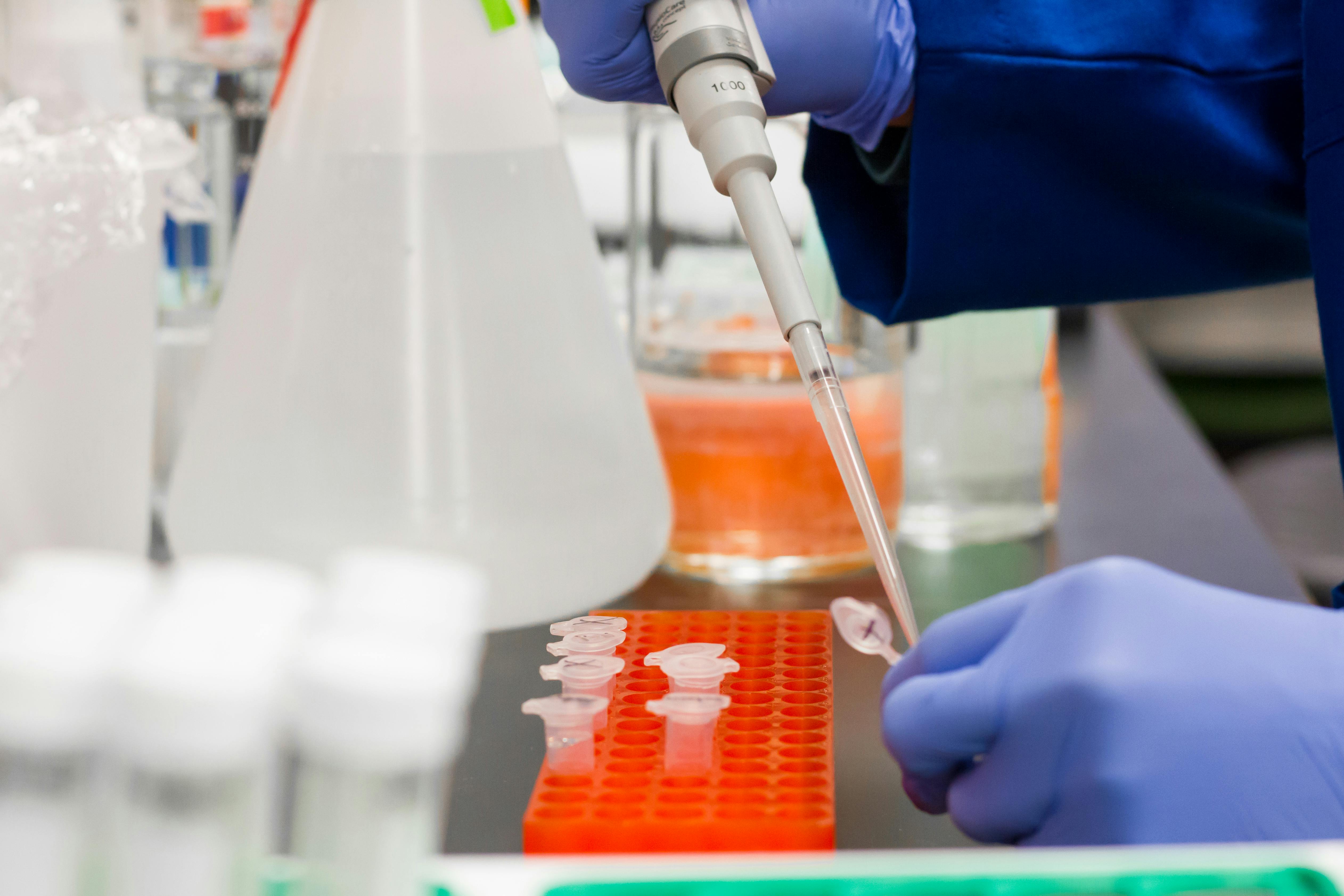
 Photo by Martin Lopez from Pexels
Sources:
Overcoming cancer relapse with CAR-Enhancer therapyCAR-T Cell Therapy for Relapsed, Refractory Mantle Cell Lymphoma Fills Unmet NeedChallenges and successes in cellular therapies and CAR-T: insights from the 50th EBMT annual meeting | Bone Marrow Transplantation
About Sara E. Teller
Sara is a credited freelance writer, editor, contributor, and essayist, as well as a novelist and poet with nearly twenty years of experience. A seasoned publishing professional, she's worked for newspapers, magazines and book publishers in content digitization, editorial, acquisitions and intellectual property. Sara has been an invited speaker at a Careers in Publishing & Authorship event at Michigan State University and a Reading and Writing Instructor at Sylvan Learning Center. She has an MBA degree with a concentration in Marketing and an MA in Clinical Mental Health Counseling, graduating with a 4.2/4.0 GPA. She is also a member of Chi Sigma Iota and a 2020 recipient of the Donald D. Davis scholarship recognizing social responsibility. Sara is certified in children's book writing, HTML coding and social media marketing. Her fifth book, PTSD: Healing from the Inside Out, was released in September 2019 and is available on Amazon. You can find her others books there, too, including Narcissistic Abuse: A Survival Guide, released in December 2017.