Earbuds, Headphones a Rising Threat to Kids' Hearing
Earbuds, Headphones a Rising Threat to Kids' Hearing
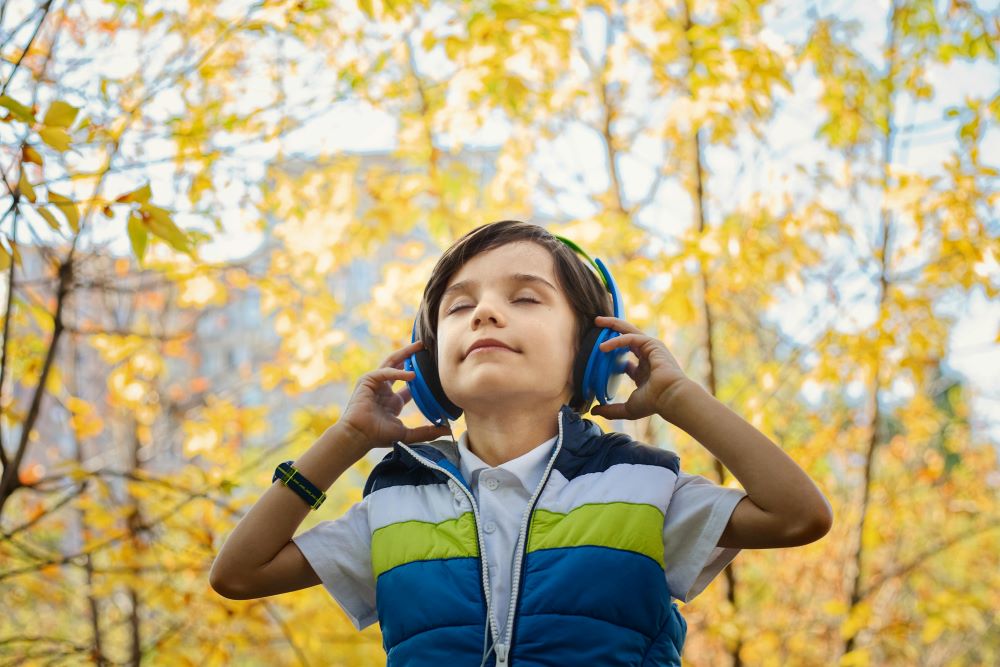
A concerning trend has emerged among younger children, who may be permanently damaging their hearing by listening to loud music through earbuds and headphones. A recent report sheds light on the prevalence of this habit and its potential long-term consequences in kids' ability to hear. According to the University of Michigan Health C.S. Mott Children’s Hospital National Poll on Children’s Health, two in three parents reveal that their children aged 5 to 12 frequently use listening devices. This includes half of children aged 5 to 8, exposing them to prolonged periods of loud noise at a remarkably young age, health experts caution.Dr. Susan Woolford, a pediatrician at the University of Michigan, notes a shift in concern from teens to younger children regarding the overuse of audio devices. Earbuds, increasingly popular among the young demographic, subject children to intense noise regularly, raising alarms among health professionals.The vulnerability of young children to noise-induced harm stems from their developing auditory systems and smaller ear canals compared to adults. Such factors amplify the perceived sound levels, heightening the risk of hearing damage.Poll results indicate that half of parents report their children spending at least an hour daily using listening devices, with one in six children using them for two hours or more. Common settings for device use include home, school, and car rides, with occasional use during air travel and minimal use outdoors or in bed.
 Photo by JÉSHOOTS from Pexels
Disrupted Sleep Patterns: Noise disruptions during sleep can interfere with the quality and duration of restorative sleep. Children exposed to high levels of noise may experience difficulties falling asleep, frequent awakenings during the night, and overall poor sleep quality. This disruption can lead to daytime fatigue, irritability, and difficulty concentrating, affecting their daily functioning and cognitive abilities.
Hindered Academic Performance: Persistent exposure to loud noise can impair concentration and focus, making it challenging for children to engage effectively in learning activities. Noise distractions in educational settings, such as classrooms, can disrupt instruction and hinder students' ability to absorb and retain information. Consequently, academic performance may suffer, impacting grades, comprehension, and overall educational attainment.
Elevated Stress Levels: Constant exposure to noisy environments can trigger stress responses in children, contributing to heightened levels of anxiety and tension. Prolonged exposure to stress hormones, such as cortisol, may negatively impact physiological and psychological health, increasing the risk of various health problems over time. Chronic stress in children can manifest as emotional instability, behavioral issues, and reduced resilience to cope with everyday challenges.
Impact on Blood Pressure: Studies suggest that exposure to environmental noise, including loud sounds from electronic devices, traffic, or industrial activities, may influence blood pressure regulation in children. Elevated noise levels can stimulate the body's stress response, leading to fluctuations in blood pressure levels. Over time, persistent increases in blood pressure may contribute to cardiovascular health issues, including hypertension and related complications, posing long-term risks to children's heart health.
Sources:
Earbuds, Headphones a Rising Threat to Kids Hearing
Impact on Hearing Due to Prolonged Use of Audio Devices: A Literature Review Loud Music and Leisure Noise Is a Common Cause of Chronic Hearing Loss, Tinnitus and Hyperacusis
About Sara E. Teller
Sara is a credited freelance writer, editor, contributor, and essayist, as well as a novelist and poet with nearly twenty years of experience. A seasoned publishing professional, she's worked for newspapers, magazines and book publishers in content digitization, editorial, acquisitions and intellectual property. Sara has been an invited speaker at a Careers in Publishing & Authorship event at Michigan State University and a Reading and Writing Instructor at Sylvan Learning Center. She has an MBA degree with a concentration in Marketing and an MA in Clinical Mental Health Counseling, graduating with a 4.2/4.0 GPA. She is also a member of Chi Sigma Iota and a 2020 recipient of the Donald D. Davis scholarship recognizing social responsibility. Sara is certified in children's book writing, HTML coding and social media marketing. Her fifth book, PTSD: Healing from the Inside Out, was released in September 2019 and is available on Amazon. You can find her others books there, too, including Narcissistic Abuse: A Survival Guide, released in December 2017.