
Driving to Prevent Accidents
Driving to Prevent Accidents
Being a safe driver is certainly a characteristic to aspire to, but it does not guarantee that you will never get into an accident. Road conditions, distracted drivers, unseen obstacles, and poor decisions by others can all cause an accident that you get involved in, even if it is not your fault. However, there are ways that you can become an even safer driver. These methods are part of what is called defensive driving.Defensive driving turns someone from a safe driver into a proactive driver. Instead of obeying traffic laws perfectly and always using your turn signal, it goes a step further. Defensive driving is all about actively monitoring circumstances that could lead to an accident and being prepared to respond to them quickly. Getting into an accident can be a real headache. You could get severely injured and have medical bills that force you to hire a lawyer to negotiate with the insurance companies. You could be unable to return to work for a while. Though defensive driving cannot completely prevent accidents from happening, it can reduce the likelihood that you will be involved in one. Here are the best defensive driving tips to follow for a higher chance of staying safe on the roads.Keep Your Eyes MovingWhile on the road, there are so many things happening around you. There are traffic signs to follow, intersections to navigate, other drivers to consider, and even pedestrians. This means that failing to keep your head on a swivel will cause you to lose track of your surroundings more often. If you never check your rear-view mirror, you could be unaware of a driver who is tailgating you. When you neglect to turn your head fully when making a lane switch, you might miss the vehicle that just pulled into the lane you are moving into. The longer you practice checking your mirrors and noticing your surroundings consistently, the more natural it will become.Maintain Safe Follow DistancesFender benders are one of the most common types of accidents, and they often occur because someone is following the vehicle in front of them too closely. When the first car is forced to brake quickly for one reason or another, the second does not have adequate time to react and stop before hitting the back of the first car. This can be avoided by leaving a substantial distance between yourself and the car in front of you. Knowing your stopping distance, which is dependent upon speed, road conditions, and the weight of your vehicle, will help you understand how far back you should be from those in front of you. Even if there is no reason to expect that they would suddenly brake, you never know what could happen in front of them at a moment’s notice.Keep Your Eye on Vehicles Entering the RoadwayA lot of collisions happen when people first pull onto a roadway. Either they failed to check for traffic, they underestimate quickly they can get up to speed, or they miss someone pulling onto the roadway before them. When you notice a vehicle coming from a side road, parking lot, or driveway and they will be entering your lane, keeping an eye on their progress is a good idea. They represent a potential threat to the current flow of traffic and if they are not a safe driver, they could cause an accident. Slow Down at Intersections
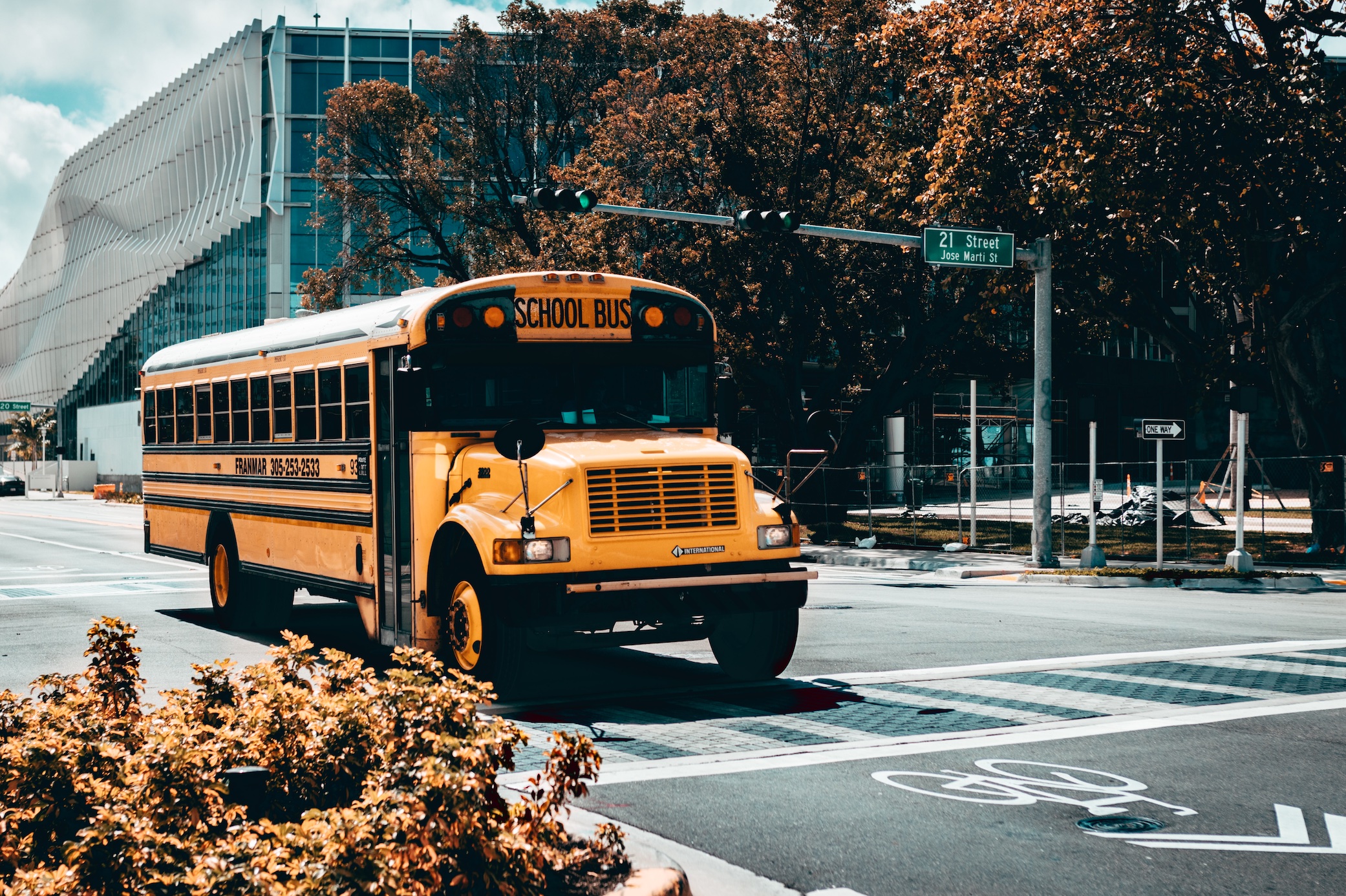 School bus stopped at intersection; image by Marcelo Cidrack, via Unsplash.com.
About Bilal Sajjad
Let me introduce myself, the editor of Beauty Lies Truth. I love traveling and visiting new places, and tend to bring comfort into the trip. I love spicy food, anything with lemon, nature, and I don't understand the point of taking a picture without one of us appearing in it.