Diabetes Drug Can Also be Used for Autoimmune Disorders

Diabetes Drug Can Also be Used for Autoimmune Disorders
In a study completed by researchers from Swansea University, canagliflozin, a drug typically used to regulate blood sugar levels in patients with type 2 diabetes, was found to also be successful in treating certain autoimmune disorders.In their research, academics from the Faculty of Medicine, Health, and Life Science at the University, found that the drug unexpectedly targets T-cells, a type of white blood cell and a fundamental part of the immune system, helping the body fight against infection.Existing research revealed the therapeutic benefits involved in targeting T-cell metabolism in autoimmunity. With an autoimmune disease, T-cells attack healthy tissue, instead of fighting infection like they ought to. Targeting these cells specifically limits the potential for white blood cells to destroy healthy tissue.Canagliflozin, also known as Inovanka, was found in the study to be effective against rheumatoid arthritis and systemic lupus erythematosus. Published in the journal Cell Metabolism and funded by the Medical Research Council, the study is an extraordinarily significant path forward in the field of repurposing pharmaceuticals and allowing them to do double-duty.
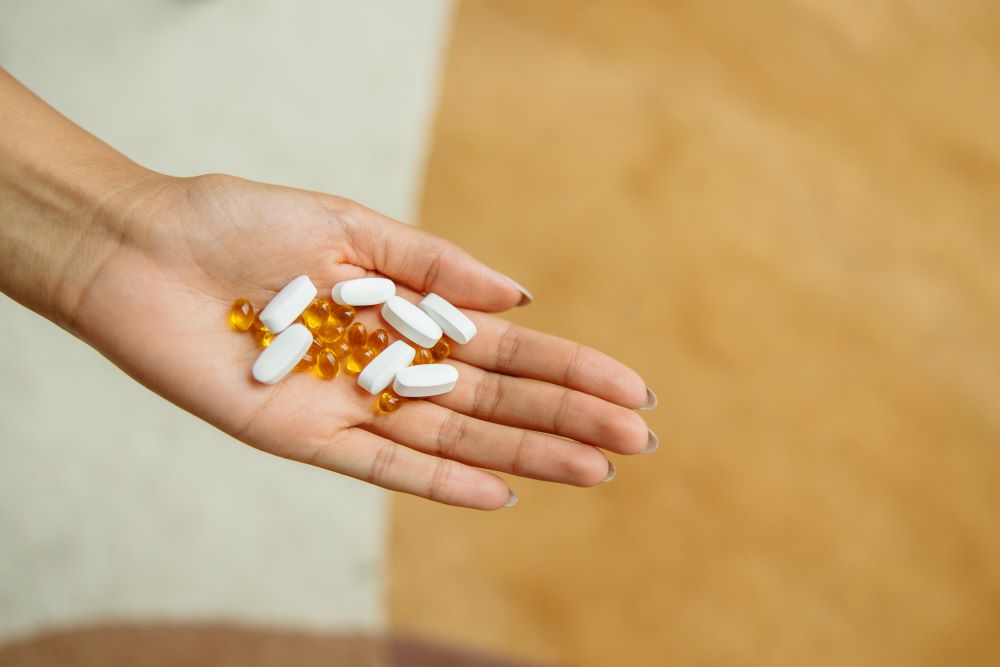 Photo by Yaroslav Shuraev from Pexels
Sources:
Canagliflozin impairs T cell effector function via metabolic suppression in autoimmunityCommon diabetes drug could be repurposed as a treatment for autoimmune disorders
About Sara E. Teller
Sara is a credited freelance writer, editor, contributor, and essayist, as well as a novelist and poet with nearly twenty years of experience. A seasoned publishing professional, she's worked for newspapers, magazines and book publishers in content digitization, editorial, acquisitions and intellectual property. Sara has been an invited speaker at a Careers in Publishing & Authorship event at Michigan State University and a Reading and Writing Instructor at Sylvan Learning Center. She has an MBA degree with a concentration in Marketing and an MA in Clinical Mental Health Counseling, graduating with a 4.2/4.0 GPA. She is also a member of Chi Sigma Iota and a 2020 recipient of the Donald D. Davis scholarship recognizing social responsibility. Sara is certified in children's book writing, HTML coding and social media marketing. Her fifth book, PTSD: Healing from the Inside Out, was released in September 2019 and is available on Amazon. You can find her others books there, too, including Narcissistic Abuse: A Survival Guide, released in December 2017.