Categories | News & Politics
Article
Declined for a Contract Performance Bond? What It Takes to Get Approved Via the SBA
February 22nd, 2023
•
News & Politics
•
6 minute read
Declined for a Contract Performance Bond? What It Takes to Get Approved Via the SBA
Contract Performance Bonds are a common requirement for people in the construction and contracting industries. This type of surety bond essentially makes the bondholder (called the principal) responsible for meeting all the performance requirements defined in a work contract. If those requirements are not met, the client who hired the construction company or contractor (called the obligee) may file a claim against the contract performance bond for compensation equal to any damages caused by the unsatisfactory performance.When a contract performance bond is required, the bondholder must show proof of having the bond before the contract can be finalized. Therefore, getting approved for a bond is essential for moving forward with projects and running a business successfully. Without one of these bonds, it becomes impossible to do anything else.If you have been declined for a contract performance bond and now you’re wondering how you will meet surety bond requirements and keep your business going – don’t worry! This situation is quite common. More importantly, there are resources to help people exactly like you. In fact, there are still ways to get a contract performance bond even if you have been declined (multiple times) in the past.What Are SBA-Backed Contract Bonds?The Small Business Administration (SBA) is an agency within the federal government that helps people start, sustain, and grow small businesses across America. They offer a number of programs and support services to further that effort. One of those is specifically designed to help people who have been declined for contract performance bonds get approved the next time around. The SBA Surety Bond Program gives the backing of the SBA to surety bonds issued to people who are considered high risk. The SBA agrees to take on some of that risk by compensating the company that issues the bond (called the surety) for between 80% and 90% of any claim amounts made against the bond. Since these contract bonds have the backing of the SBA, the surety knows it can recoup most of the potential losses that could result from issuing bonds to high-risk principals – e.g., people deemed more likely to cause claims or avoid paying for those claims. SBA-backed contract bonds are a way for more people to meet their surety bond requirements, but they are otherwise like normal contract performance bonds. They satisfy bond requirements, make projects eligible to move forward, and put no significant extra burdens on the contractor or their client. And while the application process is a little more involved than typical contract performance bonds (more on that below), these bonds are a great option (sometimes the only option) for people who need surety bonds but are struggling to get one. It’s important to distinguish here that SBA-backing is not the same as the SBA taking financial liability. The principal is still liable for any and all valid claims filed against the contract bond. And when the surety or the SBA has to pay on their behalf, the principal must repay that same amount - with interest and fees added - in a timely manner or face potential legal action and make it all but impossible to obtain a surety bond in the future. Who Should Seek Out SBA-Backed Contract Bonds?There are two groups of people who should seek out these bonds. The first is people who have been declined for a bond because they are deemed too high a risk. That could be because of a low credit score, blemishes like bankruptcy or a spotty business record. Credit can be a huge obstacle to getting surety bonds. And since it takes time to improve one’s credit standing, that obstacle isn’t easily overcome. Bond companies are more willing to work with people who have credit issues when they know the SBA will step in to mitigate the risk. The second group of people who should seek out SBA-backed contract bonds includes people who have strong credit but lack the history or working capital to get approved for larger bonds. The larger the project the larger the bond required. For contractors that want to compete for larger projects, their financial strength could make it hard to obtain the bonds they need. One way to overcome that obstacle and seize on opportunities whenever and wherever they appear is by applying for SBA-backed contract bonds. How Do You Get an SBA-Backed Contract Bond?Not all surety bond companies can or will provide SBA-backed contract bonds. Some decline to participate in this program entirely. Others have minimal experience or insufficient resources in place, making the application process more redundant and time-consuming than necessary. The first step to getting an SBA-backed contract bond should be finding a qualified bond partner, often with the assistance of a surety agency that has relationships with bond issuers across the country. For best results, work with an agency equipped to submit both non-SBA and SBA-backed contract bond requests to locate the greatest number of bond options possible. Compared to a normal bond application process, getting an SBA-backed contract bond involves some additional forms to fill out. Financial documentation requirements can be more extensive as well, as some people have to provide third-party audited financial statements. Nevertheless, getting an SBA-backed contract bond does not take significantly more time, input, or detail than normal for the applicant.
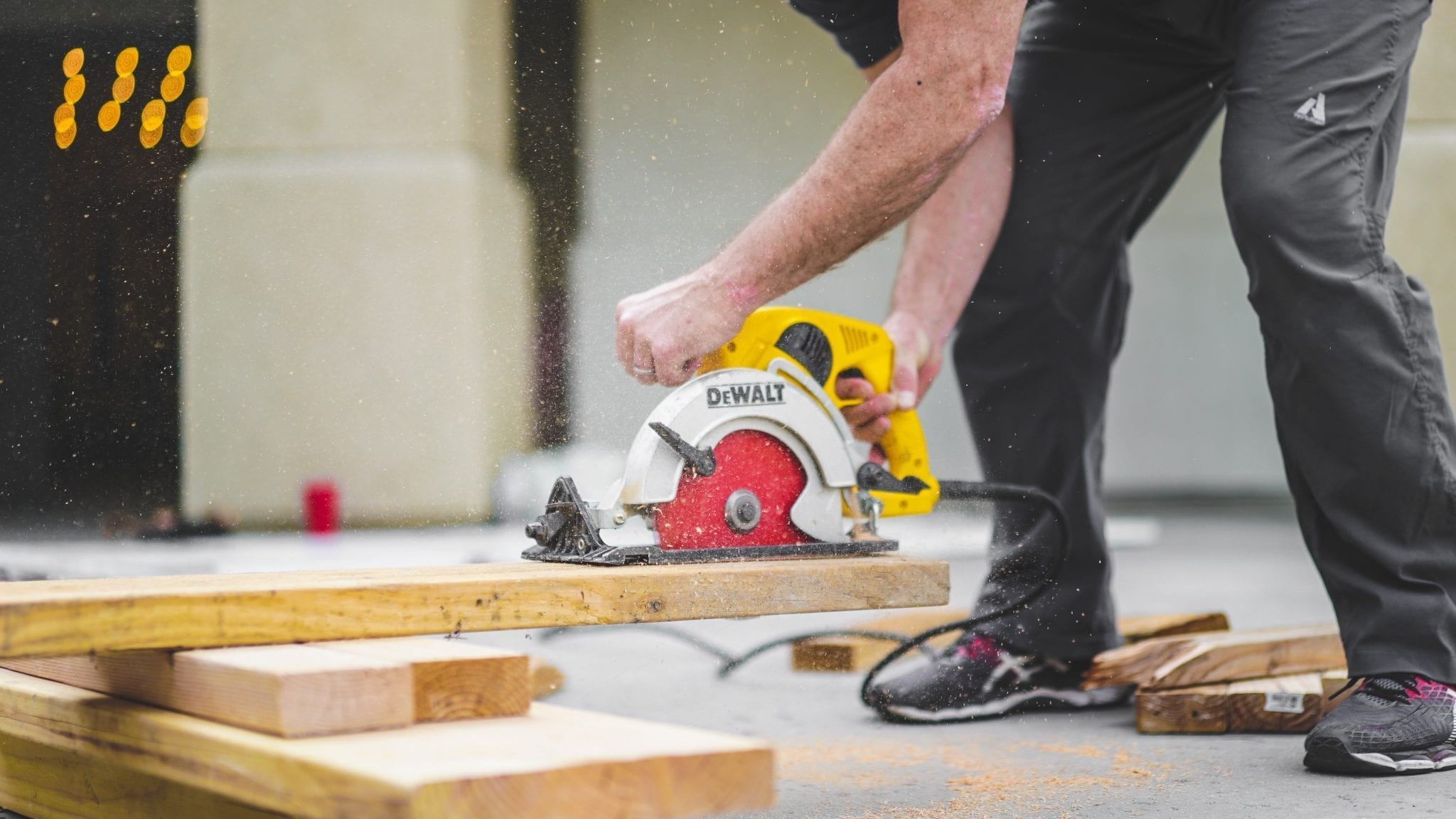
 Construction worker kneeling in front of a wall; image by Charles, via Unsplash.com.

About Cynthia Cooper
My name is Cynthia Cooper, and I’m a producer with Viking Bond Service, Inc. I’ve been with the company since 2006 and have learned a lot over the years and have built some great relationships with our surety markets. I’m happy to share my experience and knowledge with you! As the head of the SBA department at Viking Bond Service, I specialize in contract-related bonding but provide my clients with all types of surety bonds, from license and permit bonds to performance and payment bonds, and even hard-to-place bond types such as reclamation bonds and utility deposit bonds.