Daylight Saving Time & Medical Malpractice: A Concerning Connection

Daylight Saving Time & Medical Malpractice: A Concerning Connection
A recent study spanning three decades of malpractice claims has unearthed a concerning connection: medical malpractice incidents appear to be more severe during the months when daylight saving time is observed in the United States. The findings shed light on the potential impact of temporal shifts on healthcare outcomes and decision-making processes.Published in the Journal of Clinical Sleep Medicine, the study analyzed over 288,000 malpractice claims from January 1990 to September 2018 sourced from the National Practitioner Data Bank, offering insights into the acute and chronic effects of daylight saving time on medical errors and associated costs.Lead investigator Michael Scullin, an associate professor of psychology and neuroscience at Baylor University, remarked on the significance of these findings, noting the connection between the spring daylight saving shift and various health-related issues such as sleep disturbances and cardiovascular events. The study's revelations highlight a previously overlooked aspect of the time change: its potential influence on medical errors and malpractice litigation.The essence of daylight saving time revolves around the notion of artificially advancing clock time by an hour, disrupting the alignment between clock time and solar time. This disruption, rooted in the misalignment of the human circadian rhythm—a biological clock governing sleep-wake cycles—and external cues like sunlight, can significantly impact sleep patterns, alertness, mood, and cognitive performance.
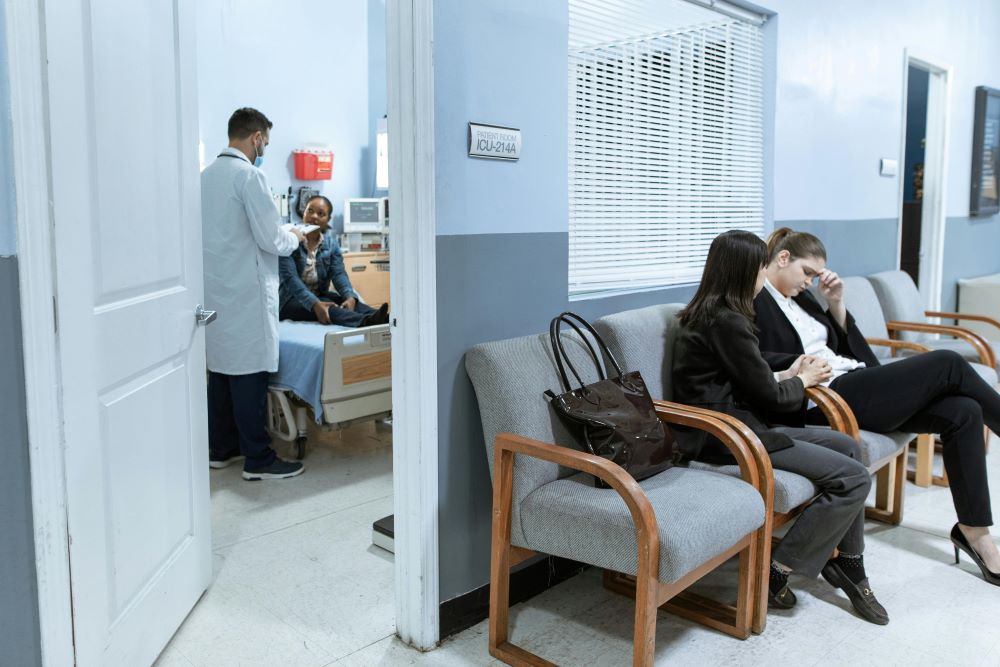 Photo by RDNE Stock project from Pexels
Sources:
Medical malpractice incidents are more severe during daylight saving time, new study finds
Medical malpractice litigation and daylight saving timeIncreased Patient Safety-Related Incidents Following the Transition into Daylight Savings TimeMedical malpractice incidents are more severe during daylight saving timeDaylight saving time as a potential public health intervention: an observational study of evening daylight and objectively-measured physical activity among 23,000 children from 9 countries
About Sara E. Teller
Sara is a credited freelance writer, editor, contributor, and essayist, as well as a novelist and poet with nearly twenty years of experience. A seasoned publishing professional, she's worked for newspapers, magazines and book publishers in content digitization, editorial, acquisitions and intellectual property. Sara has been an invited speaker at a Careers in Publishing & Authorship event at Michigan State University and a Reading and Writing Instructor at Sylvan Learning Center. She has an MBA degree with a concentration in Marketing and an MA in Clinical Mental Health Counseling, graduating with a 4.2/4.0 GPA. She is also a member of Chi Sigma Iota and a 2020 recipient of the Donald D. Davis scholarship recognizing social responsibility. Sara is certified in children's book writing, HTML coding and social media marketing. Her fifth book, PTSD: Healing from the Inside Out, was released in September 2019 and is available on Amazon. You can find her others books there, too, including Narcissistic Abuse: A Survival Guide, released in December 2017.