
Creating a Warehouse Safety Plan
Creating a Warehouse Safety Plan
Your staff are vital to your business running successfully, and providing a safe environment to work in needs to be at the top of your priority list - never mind the fact that it is your legal obligation to do so.It is far too easy, and unfortunately all too common, for Warehouse managers to let safety procedures slide, especially during particularly busy periods with stressful deadlines. It is essential to remember that maintaining safety standards is imperative to protecting workers, as well as avoiding expensive claims of compensation in the unfortunate event of a work-related accident or injury.To help ensure the safety of your staff, here is a handy guide as to what must be included when creating a warehouse safety plan.1. Perform regular safety assessments to identify hazardsWarehouses can be busy places, and each has to manage its own unique set of risks and challenges to navigate. To create an effective safety plan, it is essential to begin by identifying any potential hazards. For example, a cord running along a walkway or a set of steps missing a handrail could both result in someone falling and injuring themselves.For every identified hazard, consider the measures you can take to either eliminate the danger completely or at least significantly reduce it.It’s also important to recognize that other potential unforeseeable hazards could arise in the future. As staff move products around the warehouse or when new equipment is being introduced, the potential for new hazards can develop. It’s vital to train and encourage your staff to look out for and report any new dangers that arise in the warehouse.2. Maintain safe and clear pathsTrips, slips and falls are one of the most common causes of injuries when it comes to warehouse work, so it’s extremely important to maintain clear pathways for forklifts and workers to traverse. Keeping your warehouse clear and clean should be maintained as you go, and anything that requires urgent or specialized attention must be immediately reported.3. Install safety signageMarking out safe passageways and clearly labelling any hazardous materials or items is essential to maintaining a safe warehouse environment. They serve as a reminder to staff of the importance of wearing appropriate safety equipment or taking any other appropriate safety action. Safety signage also helps to inform any visitors of potential dangers while in your warehouse. The safety signage required for each warehouse is dependent upon its unique processes, so it is best to research and order signage related to your warehouse’s particular field and safety protocols.Additionally, to ensure that your staff adhere to your warehouse’s shelving engineer’s guidelines, it is a legal requirement that signage stipulating safe load amounts are in clear view. Include a racking audit in your regular safety plan review to ensure that your load signage is up-to-date.4. Provide safety equipmentThere are a number of attachments and accessories that, when correctly used, add further protection for your staff over and above what should already be the careful use of equipment. For example, adding emergency stop systems to any motorized equipment or adding safety guards to machinery or railings to mezzanine floors and stairs.
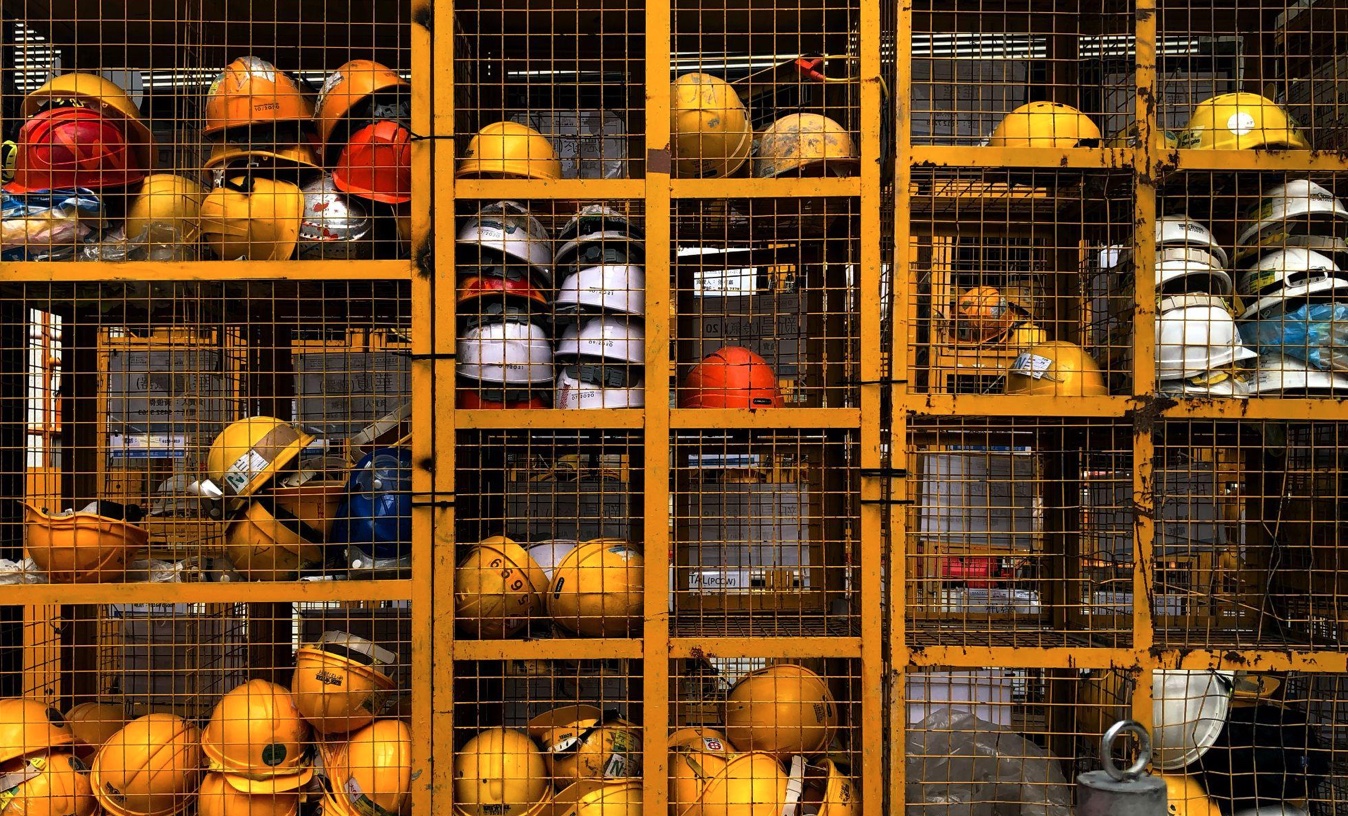
 Photo by Raúl Nájera on Unsplash.com.
Protective goggles/eyewear
Hard hats
Gloves
Closed toe/work boots
Face protection
High-visibility clothing
Industrial ear muffs/earplugs

About Howie Robleza
A freelance writer interested in tech, legal and property trends. When she's not writing, she works in hotel management.