
Comparative Fault in Car Accidents: How It Affects Your Case
Comparative Fault in Car Accidents: How It Affects Your Case
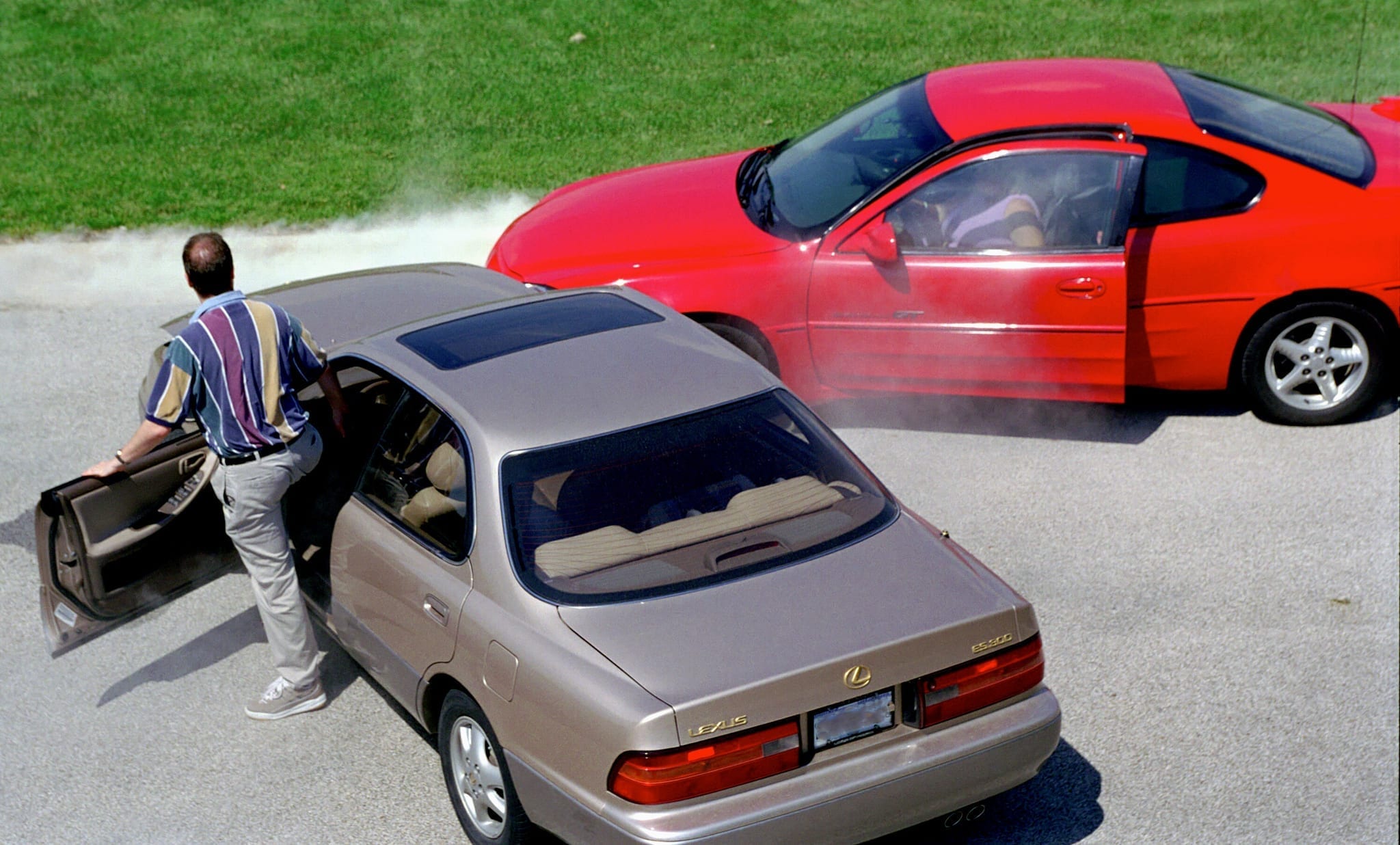
Getting into a car accident is stressful enough without having to navigate complex legal rules afterward. Yet, understanding a key legal concept called comparative negligence can be crucial for receiving fair compensation if injured. You may assume being even 1% at fault ruins your chances, but that's not necessarily true anymore. Most states have moved to comparative fault systems that reduce payouts based on the percentage of blame, rather than eliminating claims altogether. It still pays major dividends to understand the intricacies of your state. Even when partially responsible, experienced attorneys leverage these doctrines to help victims recover damages. This guide breaks down core concepts so you can make informed decisions if facing these difficult situations. Knowledge brings clarity during emotionally chaotic times.What Is Comparative Fault?As the name suggests, comparative fault or comparative negligence laws allow for the comparison of fault between multiple parties in an accident. The goal is to assign percentages of blame based on each driver's role. For instance, if you're 25% at fault for an accident and the other driver is 75% culpable, you could still potentially recover compensation - but your payout would be reduced by your percentage of fault.How Fault Is DeterminedWhen determining fault, insurance companies and courts will look at the actions of each driver before and during the accident. This can include:
Traffic violations committed
Level of intoxication
Adherence to speed limits
Use of turn signals and appropriate lights
Distracted or reckless driving behaviors
0% at fault = 100% of damages covered
25% at fault = 75% of damages covered
50% at fault = 50% of damages covered
51%+ at fault = No payout allowed in some states
Right-Of-Way Issues
Traffic Control Disobedience
Distracted And Reckless Driving
 Man texting and driving; image by Alexandre Boucher, via Unsplash.com.
Multi-vehicle crashes
Single-vehicle accidents
Crashes involving pedestrians
Accidents with bicyclists
Collisions with motorcyclists
Last Clear Chance Doctrine: If one driver could clearly avoid crashing at the end but fails to, they shoulder full liability.
Sudden Emergency Defense: Extenuating circumstances like medical events or poor weather can reduce fault for related collisions.
State Statutory Caps: Some states limit pain and suffering or punitive damages regardless of assigned fault.
About Thomas P. Ryan
Thomas P. Ryan is an attorney at Ryan, LLP. He graduated from Cleveland Marshall College of Law in 2007 and has practiced civil litigation since passing the Ohio State Bar Exam. Prior to law school, Tom was involved in software programming and worked at several large corporations, including IBM and Sprint. Tom continues to use his computer knowledge and experience in his free time, as well as developing the law firm’s website.