
Categories | News & Politics Article

Chronic Mental Health Challenges Plague Farming Communities
March 19th, 2024 News & Politics 4 minute read
Article Image

Chronic Mental Health Challenges Plague Farming Communities

The agricultural sector in the United States is witnessing a growing mental health crisis among farming communities, prompting urgent efforts to provide accessible support and combat stigma surrounding mental health issues. Chris Bardenhagen's experience reflects the profound challenges faced by farmers dealing with mental health concerns in the complexities of managing family farms. As a sixth-generation farmer, Bardenhagen's transition to overseeing his family's farm in Michigan has been fraught with financial pressures and the weight of familial legacy.The burden of maintaining a struggling farm operation, coupled with the demands of securing financial support and dealing with volatile crop yields, has left Bardenhagen contemplating therapy—an acknowledgment of the toll that farming pressures can exact on mental well-being.The agricultural sector is no stranger to instability, with factors such as financial uncertainty and climate change-induced crop variability contributing to mounting stress levels among farmers. The resultant mental health crisis is exacerbated by limited access to mental health services and entrenched stigmas surrounding seeking help within farming communities.Alarming statistics, including a suicide rate over 50 percent higher among male farmers compared to the general population, highlight the urgency of addressing mental health challenges in farming communities.
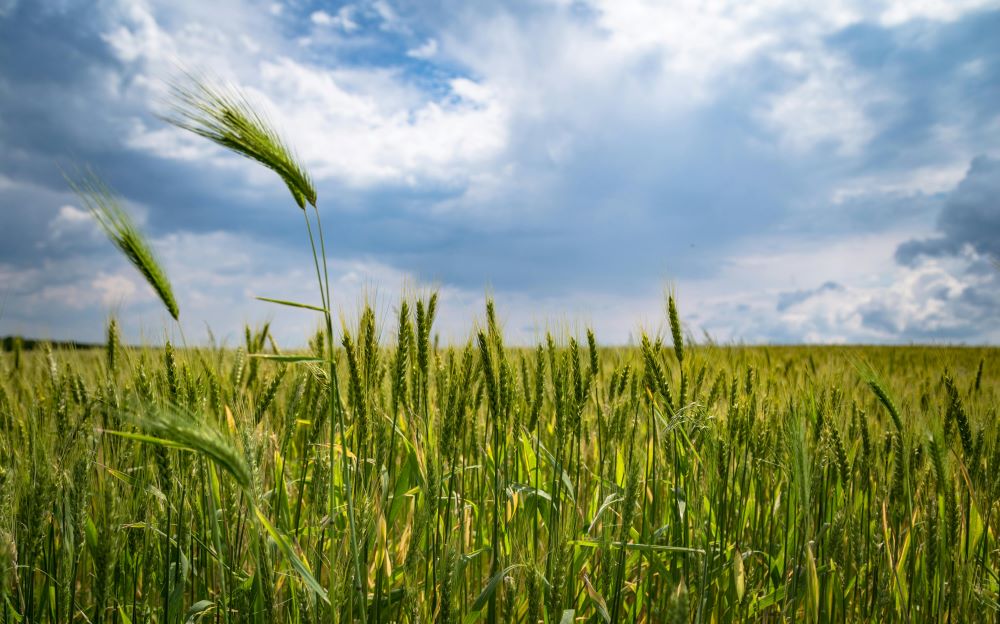
Chronic Mental Health Challenges Plague Farming CommunitiesPhoto by Anton Atanasov from Pexels

In response to these pressing concerns, various initiatives have emerged to provide critical mental health support to farmers nationwide. Two programs stand out in terms of providing necessary resources to farmers. These include:
  • Farm Aid farmer resource network and

  • Michigan State University’s Managing Farm Stress program

They provide financial assistance, free hotlines, and therapy sessions, aimed at alleviating immediate crises and promoting community support networks. Mental health professionals specializing in agriculture-related issues are actively establishing resources and combatting stigma, encouraging a cultural shift that encourages open dialogue about mental health challenges.Financial stress emerges as a predominant factor contributing to farmers' mental health struggles, with declining farm incomes and climate-related uncertainties compounding existing challenges. The interconnected nature of financial well-being and climate change showcases the need for comprehensive support mechanisms tailored to the unique stressors faced by farmers.Efforts such as expanded teletherapy services offered by programs like MSU’s Managing Farm Stress program aim to bridge gaps in mental health care accessibility, particularly in rural areas with shortages of mental health providers.Despite the increasing availability of mental health resources, stigma remains a formidable barrier to seeking help within rural communities. The prevailing cultural ethos of self-reliance often impedes farmers from acknowledging their mental health needs and seeking professional support.Efforts to shift this mindset involve reframing mental health support as akin to seeking assistance for any other aspect of farm management—a practical necessity rather than a sign of weakness.Teletherapy emerges as a discreet and accessible option for farmers concerned about the stigma associated with seeking in-person counseling. Additionally, integrating mental health discussions into existing social gatherings and agricultural events facilitates informal dialogue and destigmatizes seeking help.Humanizing the treatment process and building connections between farmers and mental health professionals are integral to overcoming barriers to care and promoting mental well-being within farming communities.Advocates emphasize the importance of public perception in cultivating a supportive environment for farmers facing mental health challenges. Recognizing farmers' contributions to food security and dispelling negative stereotypes are essential steps towards creating a culture of appreciation and understanding.Acknowledging the intrinsic value of farmers' labor and advocating for their well-being, communities can play a key role in combating mental health stigma and promoting resilience within farming communities.For farmers like Chris Bardenhagen, the journey towards prioritizing mental health represents a vital step in safeguarding personal well-being and sustaining the legacy of family farms. Despite the formidable challenges inherent in farming, moments of connection to the land and familial heritage serve as sources of solace and resilience.As farming communities continue to deal with mental health, leading to an environment of support and understanding remains essential in safeguarding the well-being of those who sustain our agricultural heritage.

Sources:

Farmers in Crisis, Long Overlooked, Are Finally Getting Mental Health SupportSuicide Rates by Industry and Occupation — National Vital Statistics System, United States, 2021 Do farmers have an increased risk of cardiovascular disease?USDA Forecasts Sharpest Decline in U.S. Farm Income in HistoryFirst Aid for Mental Illness Shows Promise

Sara E. Teller

About Sara E. Teller

Sara is a credited freelance writer, editor, contributor, and essayist, as well as a novelist and poet with nearly twenty years of experience. A seasoned publishing professional, she's worked for newspapers, magazines and book publishers in content digitization, editorial, acquisitions and intellectual property. Sara has been an invited speaker at a Careers in Publishing & Authorship event at Michigan State University and a Reading and Writing Instructor at Sylvan Learning Center. She has an MBA degree with a concentration in Marketing and an MA in Clinical Mental Health Counseling, graduating with a 4.2/4.0 GPA. She is also a member of Chi Sigma Iota and a 2020 recipient of the Donald D. Davis scholarship recognizing social responsibility. Sara is certified in children's book writing, HTML coding and social media marketing. Her fifth book, PTSD: Healing from the Inside Out, was released in September 2019 and is available on Amazon. You can find her others books there, too, including Narcissistic Abuse: A Survival Guide, released in December 2017.

Related Articles