
Childhood Trauma Can Lead to Psychological Disorders Later in Life
Childhood Trauma Can Lead to Psychological Disorders Later in Life
A recent study followed children who were born in 2004 and suffered some type of trauma. The findings suggest that children who were exposed to horrifying or life-threatening events are almost twice as like to develop some type of psychiatric disorder later in life. Some of these events include a serious injury, fire, natural disaster (e.g., earthquake), sexual violence, or seeing someone die. Childhood trauma often includes events that happen to a loved one, if not directly experienced by the child..
The study is part of thee 2004 Pelotas Birth Cohort Study and several psychologists came together from Brazil, South Africa, and the UK to analyze the data that was collected, from more than 4,000 children. The main disorders reviewed were those related to anxiety and mood changes.
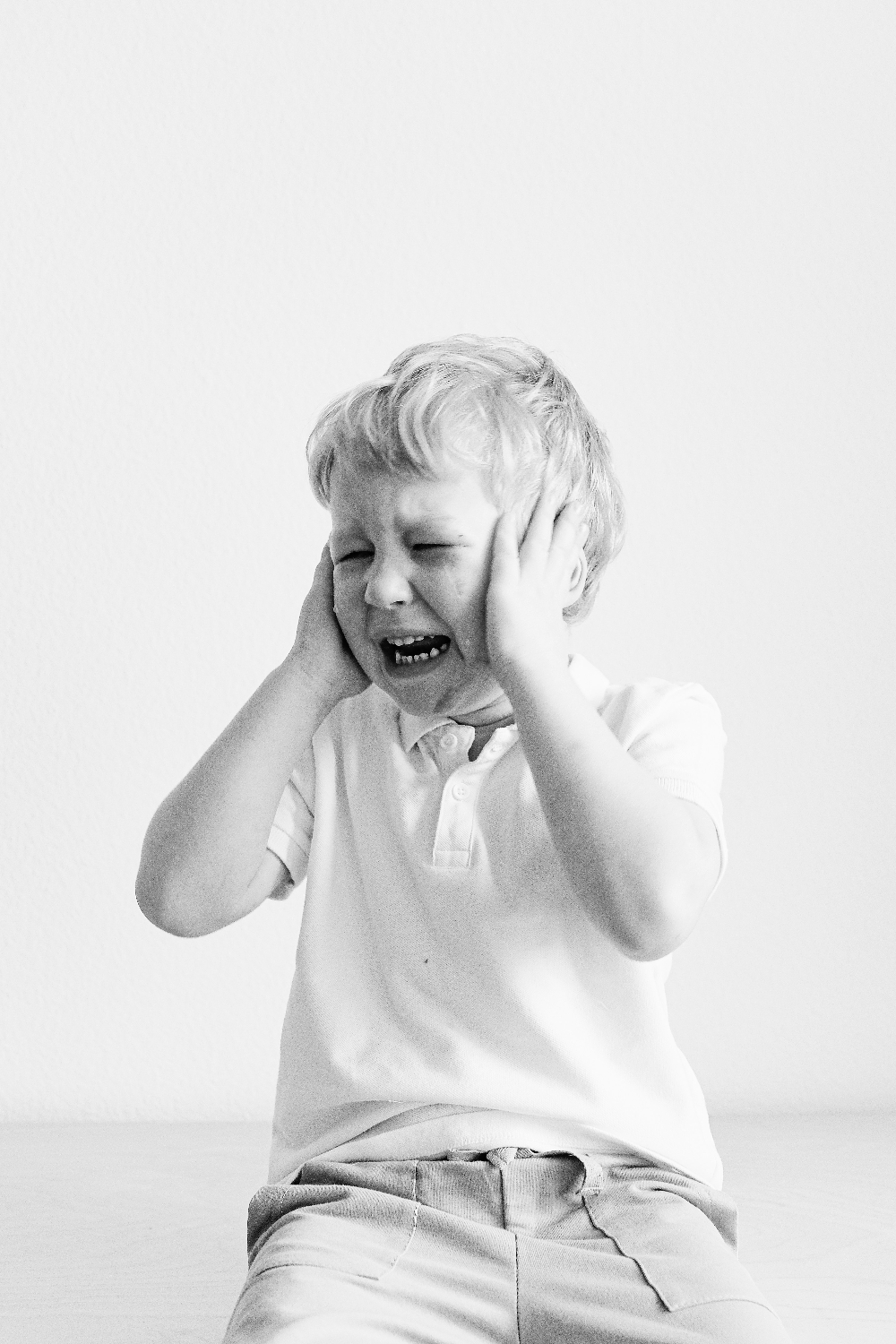
 Photo by Ivan Samkov from Pexels
This cohort is ongoing and includes all hospital births in the city of Pelotas, Brazil between January 1, 2004, and December 31, 2004. The children who participated in this study were assessed at birth, as well as at ages 2, 3, 4, 6, and 11. The children’s caregivers were also involved in the assessments. Researchers found that by the age of 11, more than one third of all these children experienced at least one traumatic event, and these trauma were associated with mood disorders and ADHD. The study findings showed that interpersonal trauma in these children were mostly associate with mood disorders, as well as anxiety disorders by age 6. By the time these children reached 11 years old, exposure to trauma was associated with an increased likelihood of developing psychiatric disorders, mainly anxiety, mood, ADHD, and conduct disorders. Alarmingly, studies found that these were between 50% and 100% more likely to develop in the children who were exposed to trauma versus the children who have not been exposed to trauma.
Dr. Graeme Fairchild from Department of Psychology at the University of Bath said, ““Previous studies looking at the impact of childhood trauma on mental health mostly focused on adults, whereas we were able to show that children were already negatively affected by age six. Our findings suggest that by preventing trauma exposure through education of parents and legal regulation, many children would not go on to develop mental health problems.”
Studies also show that adults who have experienced trauma in childhood and suffer from mental health disorders have worse symptoms than those adults who did not experience trauma. Andreas Bauer, PhD, from the Department of Psychology at the University of Bath said, “Our findings suggest that associations between trauma and mental disorder are already present by age 6 and hold across multiple diagnostic groupings by age 11 [years].”
The findings of this study will help medical professionals and parents to focus on improving responses to childhood trauma. Some of these responses include seeking support from a mental health professional, avoiding blame, actively listening if the child wants to talk, encouraging self-esteem, and above all, being patient.
Sources:
Childhood Trauma's Impact on Later-Life Mental Health Revealed
Childhood trauma linked to greater odds of psych disorders by adolescence

About Sara E. Teller
Sara is a credited freelance writer, editor, contributor, and essayist, as well as a novelist and poet with nearly twenty years of experience. A seasoned publishing professional, she's worked for newspapers, magazines and book publishers in content digitization, editorial, acquisitions and intellectual property. Sara has been an invited speaker at a Careers in Publishing & Authorship event at Michigan State University and a Reading and Writing Instructor at Sylvan Learning Center. She has an MBA degree with a concentration in Marketing and an MA in Clinical Mental Health Counseling, graduating with a 4.2/4.0 GPA. She is also a member of Chi Sigma Iota and a 2020 recipient of the Donald D. Davis scholarship recognizing social responsibility. Sara is certified in children's book writing, HTML coding and social media marketing. Her fifth book, PTSD: Healing from the Inside Out, was released in September 2019 and is available on Amazon. You can find her others books there, too, including Narcissistic Abuse: A Survival Guide, released in December 2017.