Cheaper for Companies, but Bad for You
Cheaper for Companies, but Bad for You
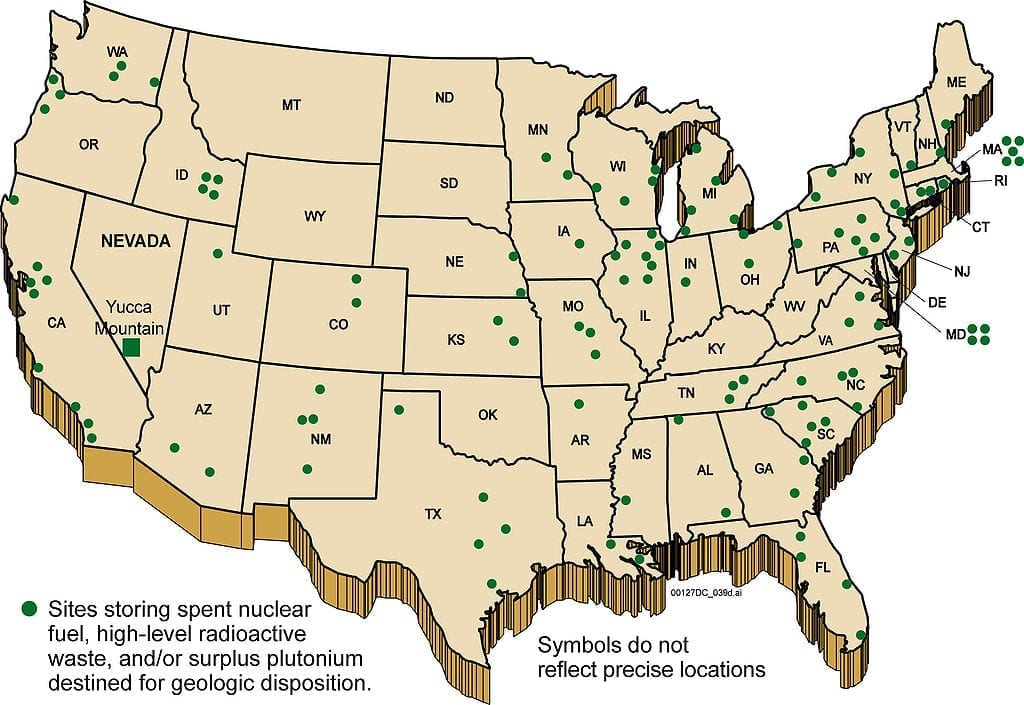
We want everything we want, we want it cheap, and when we're done with it, we want it to go away quickly, and to stay away forever. Unfortunately, life doesn't work that way. Often, “away” simply means “left in somebody else's backyard,” and buried secrets have a way of coming to light. Also, in the effort to produce goods and make them go away cheaper than the competition can, companies can become ruthlessly efficient at making someone other than their customers pay the cost. Sometimes, this means taxpayers subsidize the business, such as through government-funded cleanup of Superfund sites. Other times, it means that people living near disposal sites have measurably worse health outcomes. Any way you slice it, being able to externalize the costs of doing business makes it cheaper for companies, but bad for you.In the suburbs of St. Louis, MO, the 200 acre West Lake landfill complex sits among affordably priced homes and slowly sickening residents. Underground, the Bridgeton landfill portion of the complex has been smoldering since around 2010 and it's not going to stop anytime soon. The heat from the flameless burn has been speeding up the decomposition of trash at the landfill, resulting in an abundance of hellish, rotting odors that fill the air, and so much toxic leachate that it's hard for the facility to keep on top of the cleanup effort.What's more, less than a quarter mile north of the permanent dump fire lies an immense pile of radioactive waste that dates back to the Manhattan Project. During WWII, the Mallinckrodt Chemical Works in St. Louis obtained and processed tens of thousands of tons of uranium, including material for Little Boy, the bomb that the United States dropped on Hiroshima in 1945. Contaminated waste from this and other processes was transported, uncovered, across the countryside, stripped of any useful mineral residues (such as copper) that may have remained, mixed with 39,000 tons of dirt and illegally dumped at the West Lake complex. Apparently, careless and illegal waste disposal is cheaper for companies than taking responsibility for their messes.
 A bird's-eye diagram of the West Lake landfill complex (near St. Louis, MO). The fire, located under the South Quarry area, edges closer to the radioactive mess located in the West Lake disposal areas (in orange) and the North Quarry area. Public domain image by Debbie Kring of the Environmental Protection Agency, courtesy of Wikimedia Commons.
Sources:
Fighting the Toxic Nightmare Next Door
Maryland sues EPA over upwind air pollution
Living near radioactive dump, smoldering landfill, some in Missouri town want buyouts
Dyson, the Vacuum Cleaner Company, Wants to Make a Freaking Electric Car
About Dawn Allen
Dawn Allen is a freelance writer and editor who is passionate about sustainability, political economy, gardening, traditional craftwork, and simple living. She and her husband are currently renovating a rural homestead in southeastern Michigan.