
Chalk, Vehicles, and the 4th Amendment
Chalk, Vehicles, and the 4th Amendment
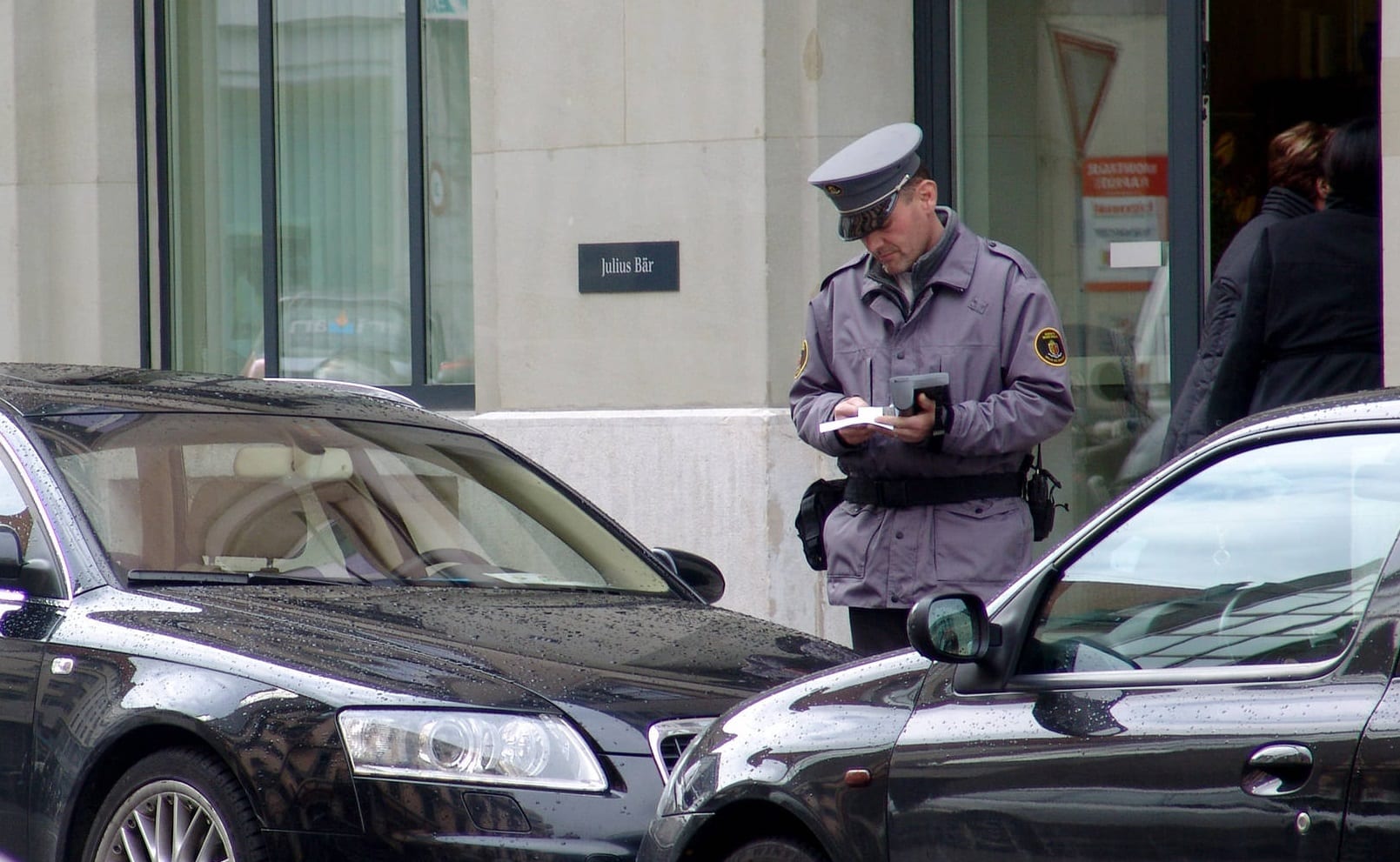
Searching the news last week turned up some compelling questions surrounding Fourth Amendment rights in and around vehicles from the upper Midwest, of all places. In Michigan, it's no longer considered legal to chalk tires for parking enforcement or search a passenger's belongings without consent. The Supreme Court, meanwhile, is considering a case against the state of Wisconsin for a most invasive search. Let's seize the moment and look into what it all means.After Michigan resident Alison Taylor's 15th parking ticket in a just few years, she decided something had to give. That “something” wasn't her parking proclivities, either. Instead, she took the city of Saginaw and parking enforcement officer Tabitha Hoskins to court. Hoskins, who issued all of Taylor's parking tickets, did so after marking Taylor's tires with chalk, returning later to see if the car had moved. Saginaw, like many cities across the United States, has used chalk this way for ages, and nobody seemed to give it a second thought.However, the three judges from the U.S. Court of Appeals for the 6th Circuit agreed, surprisingly, that the chalk marks represent an illegal search. When the chalk is applied, the Court noted, the car is still legally parked and the car's owner is not suspected of any wrongdoing. Further, the chalk is intended to provide information about the car's movements. According to the Court, these elements satisfy a test laid out in a 2012 case, United States v. Jones, where an officer installed a GPS device on a suspect's car in order to collect information about where the car went. The Court, however, has since issued an amended opinion distancing the ruling from any Fourth Amendment implications, and critics and supporters alike acknowledge that an easy substitute for the traditional chalk mark is to simply take a photo of the vehicle in question.The Michigan Supreme Court ruled unanimously last Monday in People v. Mead that passengers may challenge a police search of their personal property, even if the driver of the car consents to the search. While the Court noted that a passenger doesn't have the legitimate expectation of privacy while traveling in someone else's car, they can, in fact, expect the privacy of their effects (in this case, a backpack) to be respected. Larry Mead was riding in a stranger's car that was pulled over for expired plates. The driver consented to a search, but when Mead exited the car, he left his backpack inside. The officer found methamphetamine and other drugs inside the bag and arrested Mead, but Mead had not consented to the search of his backpack. The Court ruled this to be a violation of Mead's Fourth Amendment rights.
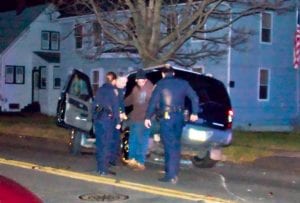 Police in Connecticut administer the one leg stand test to a driver after a crash. Photo by Versageek, courtesy of Wikimedia Commons. CC BY-SA 3.0
Sources:
Court Says Using Chalk On Tires For Parking Enforcement Violates Constitution
Chalking Tires and the Fourth Amendment
Taylor v Saginaw (PDF)
Mich. Supreme Court changes rule for vehicle searches
Supreme Court struggles with Wisconsin drunken driving law
Justices Split on Warrantless Blood Draws from Unconscious Drivers
About Dawn Allen
Dawn Allen is a freelance writer and editor who is passionate about sustainability, political economy, gardening, traditional craftwork, and simple living. She and her husband are currently renovating a rural homestead in southeastern Michigan.