
Can You Appeal a DUI Conviction?

Can You Appeal a DUI Conviction?
Charges for driving under the influence of alcohol or drugs (DUI) are common throughout the United States. Drunk driving-related car accidents are extremely dangerous – sometimes deadly – and the police are constantly on the lookout for drunk drivers. In addition, DUIs are commonly punished with driver’s license suspensions, making it difficult for the defendant to get around. DUIs will be reflected on your criminal record and your driving history, and they will undoubtedly come back to haunt you in the future. However, not every DUI conviction is legally sound, and you may want to consider appealing your DUI.A DUI, just like any other criminal conviction, may be appealed. DUI appeals are somewhat less common because the charges are often difficult to beat, and the penalties may not include jail time. However, DUIs tend to hang over your head for a long time after your conviction. If you believe your conviction was the result of a legal error, you may file an appeal. The nature of your appeal will depend on your individual case.Although appeals for DUIs are less common, they are still possible. People have rights to file an appeal after any criminal conviction unless they waived those rights as part of a plea bargain. Appealing a DUI may result in a new trial and a second chance to fight the charges.Appealing a Conviction for a DUICriminal defendants have a right to file an appeal if they are convicted. An appeal is not like a brand-new trial; there is no new evidence to present, nor are there any new arguments regarding the defendant’s guilt. At the appeal hearing, a higher court reviews your case from the lower court for any legal errors, not factual errors. Legal errors are things like mistakes of law that may have harmed your case. The types of errors the appellate court will look for will depend on your claims for your appeal.You may only appeal the issues you preserved for appeal at your DUI trial. Preserving something for appeal can be done simply by objecting. Things you can commonly appeal are failed motions or overruled objections. For example, common motions in a DUI case might involve the admissibility of certain pieces of evidence, such as testimony from the police that arrested you or the measurements of your blood alcohol concentration (BAC).
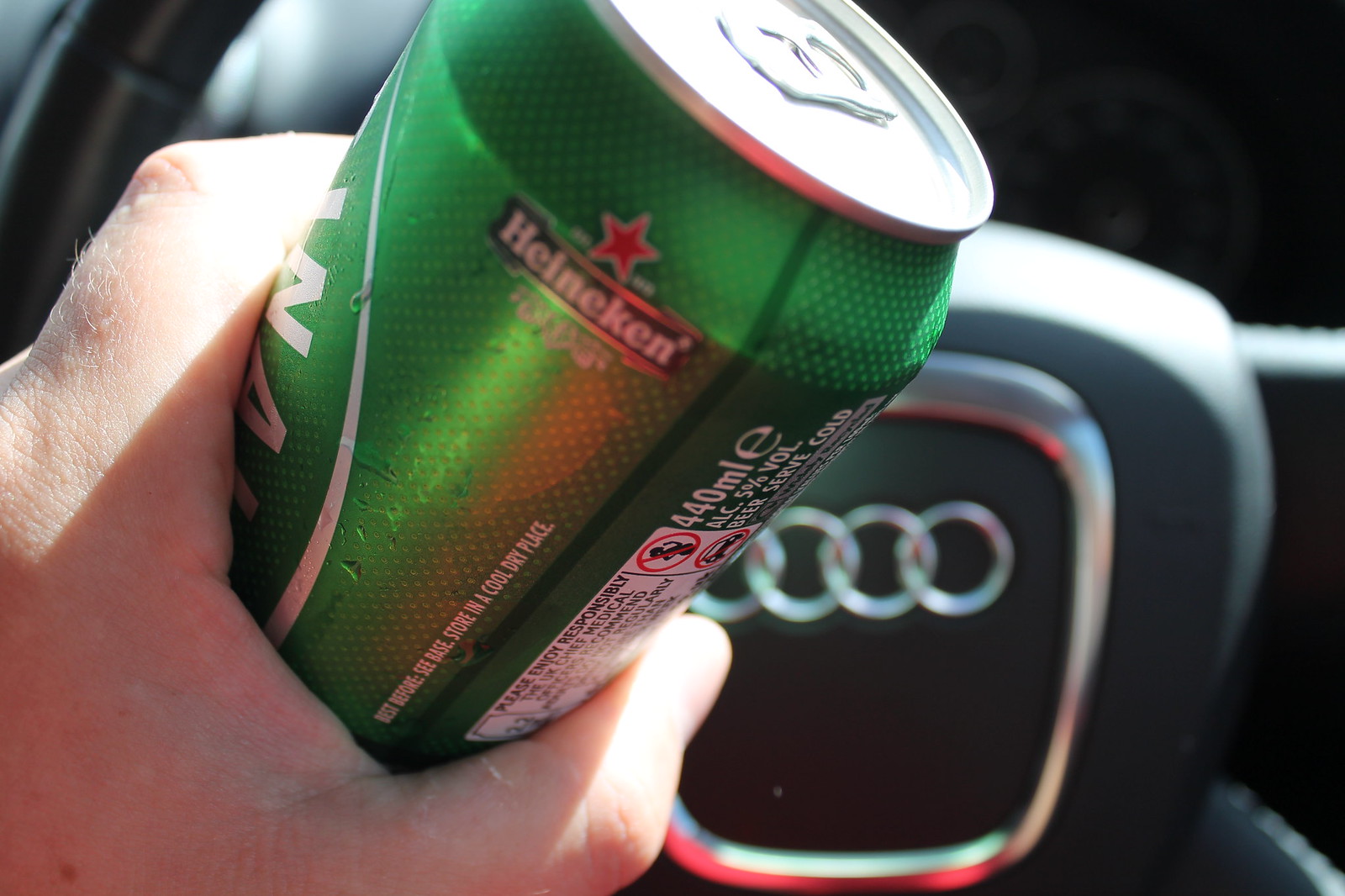 Image credit InsuranceRevolution20 on Wunderstock (license).

About Lloyd Long
Lloyd Long defends clients at every stage of the criminal process, from the investigation to post-conviction collateral proceedings. If you were charged with a criminal offense in Philadelphia or throughout Pennsylvania, you can count on the experience of Lloyd Long and his team of Philadelphia criminal defense attorneys to protect your rights.