
Can Cops be Sued for Police Brutality? Yes.

Can Cops be Sued for Police Brutality? Yes.
Police brutality has been in the news a lot over the last couple of years, and there have been countless protests and organized events in streets across the country to push back against it. But what is police brutality, exactly?By definition, police brutality occurs when an officer uses more force than necessary for a given situation. When an officer fails to respond in a reasonable manner to a situation in front of them, their actions may be viewed as police brutality. For example, say an officer pulls someone over for speeding and, instead of issuing a warning or ticket, that officer decides to tackle the driver to the ground or tase them even though the driver does not pose a threat. That is police brutality. The lines often get blurred and difficult to distinguish if someone does in fact pose a threat and the police respond with force. What is considered too much force? Fortunately, there are attorneys who specialize in analyzing alleged police brutality cases to determine whether an officer’s actions were justified, or someone was the victim of actual police brutality.Police brutality is a type of police misconduct. Police misconduct is used to describe any type of inappropriate behavior or actions taken by officers while on duty. It may include police brutality, false arrest, police corruption, witness tampering, racial profiling, unwarranted searches, unwarranted surveillance, falsification of evidence, false imprisonment, and more. Oftentimes, police misconduct involves obstruction of justice and discrimination. If someone ever finds themselves on the receiving end of police misconduct, including police brutality, they must first show a pattern of behavior to sue the officers involved. Unfortunately, one act of harassment or discrimination is often not enough for a case.What Does the Law Say About Police Brutality?In Kentucky, there are laws against police brutality. This means officers can indeed be charged with crimes if they engage in police brutality. In Kentucky, this means officers are not permitted to use more force than necessary when engaging with the public, even when they’re engaging with people who may be a threat. The level of force an officer engages in must always be reasonable for the situation. If it is not, the people of the receiving end of the alleged brutality may be able to sue for damages. After all, we have civil rights designed to protect us from police brutality, including the Fourth Amendment, the First Amendment, and the Civil Rights Act of 1964.The Fourth Amendment
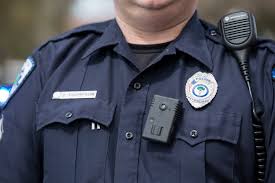 Police officer; mage courtesy of Wikimedia Commons.”
About Peter Charles
Having graduated from Saint John’s University in 1993, Peter Charles, Chief Operating Officer, brings a dynamic 28-year sales career reflecting pioneering experience and record-breaking performance in the computer and internet industries. He remains on the industry’s cutting-edge, driving new business through key accounts and establishing strategic partnerships and dealer relationships to increase channel revenue. He is currently focused on providing multiple revenue streams for USAttorneys.com. He can be reached at 800-672-3103.