Autism is Linked to Self-harm and Suicide
Autism is Linked to Self-harm and Suicide
A recent study from Columbia University found that suicide and self-harm rates are almost four times more likely to occur in adults with autism spectrum disorder (ASD) than in the general population. ASD is a condition that impacts how a person perceives and socializes with others. It often includes repetitive patterns of behavior and is considered a spectrum disorder because the symptoms range in presentation and severity. The study published in JAMA Network Open is one of only a handful of research on ASD and self-harm and suicide.Typically, ASD develops in childhood and children show symptoms within the first year of life. Others, however, will display signs shortly after that first year, as the brain continues to develop. Those living with the disorder often have trouble maintaining meaningful relationships and employment or even living independently.As one JAMA study reported, “Autism spectrum disorder (ASD) is characterized by persistent deficits in social communication and interaction along with restricted, repetitive behaviors. In 2017, an estimated 5,437,988 adults (2.21%) had been diagnosed with ASD. Prevalence estimates in the US pediatric population have increased over the past several decades partly because of improved awareness, changes in documentation, and identification of milder cases without intellectual disability.”
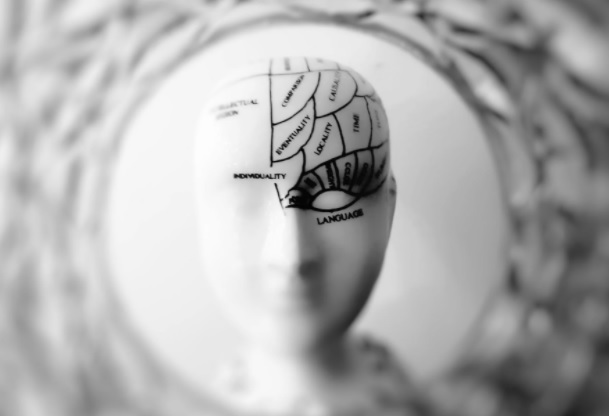 Photo by meo from Pexels
Sources:
Alarming Rates of Self-Harm in Adults With Autism Expose a Broken SystemAutism Spectrum Disorder (ASD)Risk of Self-harm in Children and Adults With Autism Spectrum Disorder: A Systematic Review and Meta-analysis
About Sara E. Teller
Sara is a credited freelance writer, editor, contributor, and essayist, as well as a novelist and poet with nearly twenty years of experience. A seasoned publishing professional, she's worked for newspapers, magazines and book publishers in content digitization, editorial, acquisitions and intellectual property. Sara has been an invited speaker at a Careers in Publishing & Authorship event at Michigan State University and a Reading and Writing Instructor at Sylvan Learning Center. She has an MBA degree with a concentration in Marketing and an MA in Clinical Mental Health Counseling, graduating with a 4.2/4.0 GPA. She is also a member of Chi Sigma Iota and a 2020 recipient of the Donald D. Davis scholarship recognizing social responsibility. Sara is certified in children's book writing, HTML coding and social media marketing. Her fifth book, PTSD: Healing from the Inside Out, was released in September 2019 and is available on Amazon. You can find her others books there, too, including Narcissistic Abuse: A Survival Guide, released in December 2017.