Ambulance Deserts in Rural Areas Risk Costing People Their Lives
Ambulance Deserts in Rural Areas Risk Costing People Their Lives
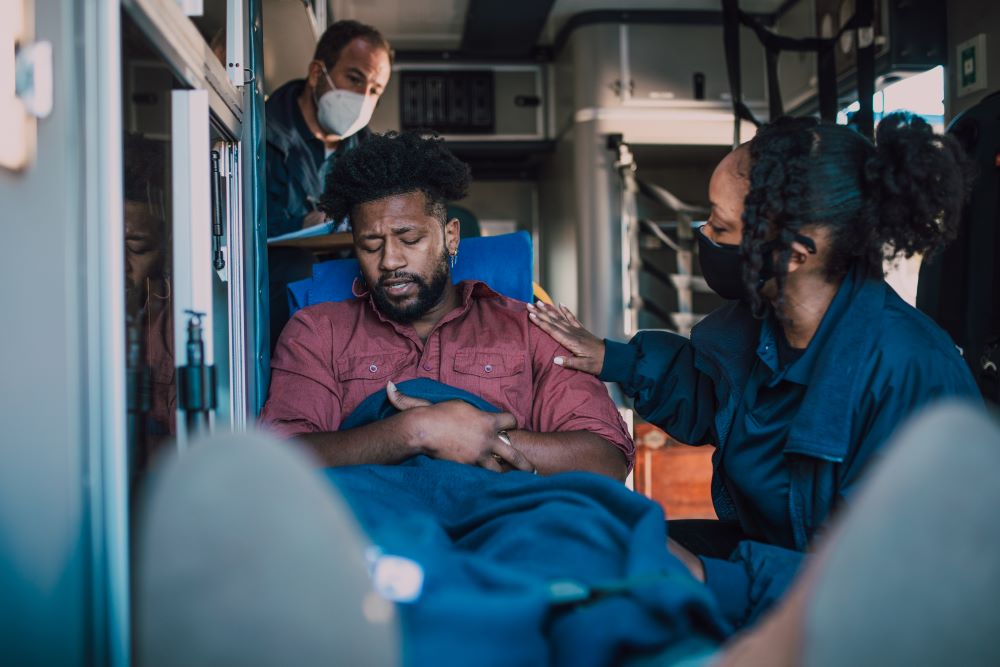
For most people, going through day-to-day life doesn’t involve using an ambulance. In fact, it’s unlikely that most people even know where an ambulance would come from if they called for one, or how long it would take that ambulance to arrive at their home. Of course, this can all change in a blink when an emergency takes place and responders are needed as quickly as possible. In many parts of the country, the ambulance will be close by, and the response will be swift. That’s not the case everywhere, however. For some people – those living in a so-called ambulance deserts, it might take far longer to get help, and that delay could prove to be deadly.For those living in big cities, or even in the suburbs surrounding them, ambulance deserts are not an issue. There will be ambulance services nearby, and most likely, they’ll show up within minutes when called. There will also likely be hospitals close to home, meaning once help arrives quickly, individuals can also receive emergency services quickly. This is the kind of service that can save lives, and even when the situation isn’t that serious, getting prompt help can minimize the damage that is done by whatever the health issue in question may be.
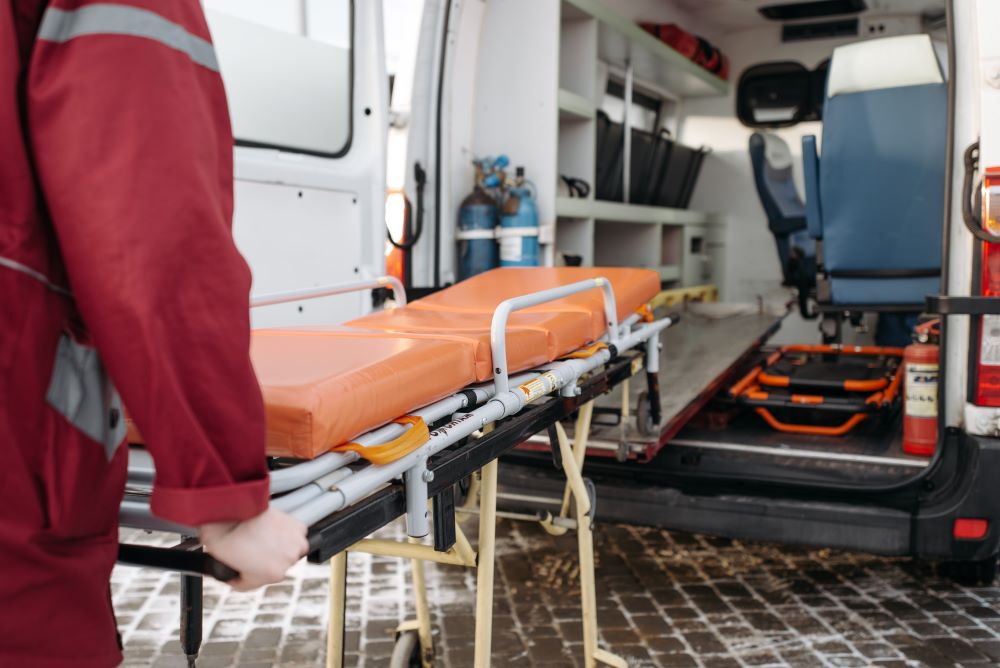 Photo by Pavel Danilyuk from Pexels
Sources:
Life in a Rural ‘Ambulance Desert’ Means Sometimes Help Isn’t on the WayAmbulance Deserts: Addressing Geographic Disparities in the Provision of Ambulance Services
About Sara E. Teller
Sara is a credited freelance writer, editor, contributor, and essayist, as well as a novelist and poet with nearly twenty years of experience. A seasoned publishing professional, she's worked for newspapers, magazines and book publishers in content digitization, editorial, acquisitions and intellectual property. Sara has been an invited speaker at a Careers in Publishing & Authorship event at Michigan State University and a Reading and Writing Instructor at Sylvan Learning Center. She has an MBA degree with a concentration in Marketing and an MA in Clinical Mental Health Counseling, graduating with a 4.2/4.0 GPA. She is also a member of Chi Sigma Iota and a 2020 recipient of the Donald D. Davis scholarship recognizing social responsibility. Sara is certified in children's book writing, HTML coding and social media marketing. Her fifth book, PTSD: Healing from the Inside Out, was released in September 2019 and is available on Amazon. You can find her others books there, too, including Narcissistic Abuse: A Survival Guide, released in December 2017.