Adding Heat to Certain Hair Products Could be Hazardous
Adding Heat to Certain Hair Products Could be Hazardous
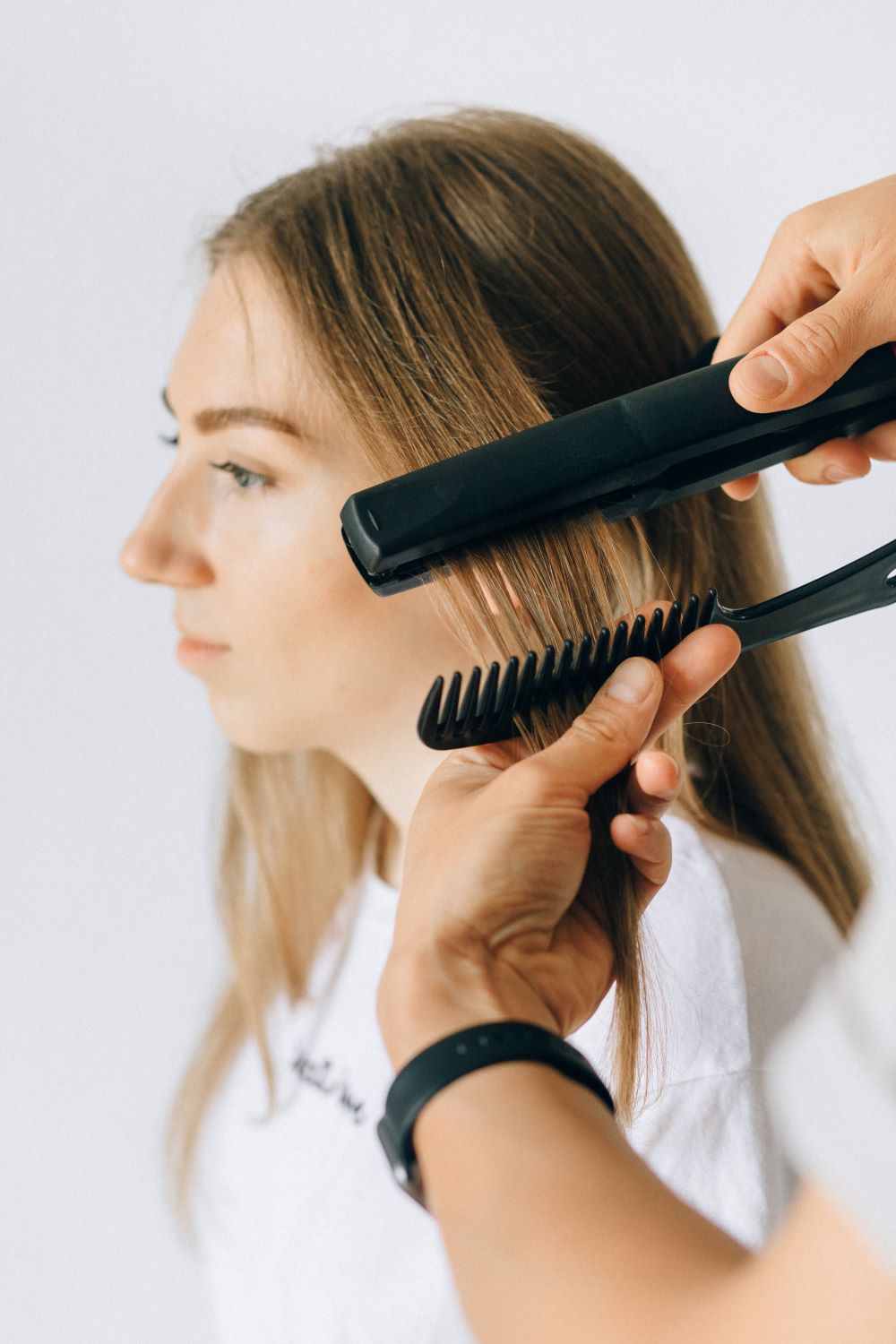
For many people, getting their hair ready for the day is a morning staple. There are countless products available today to help with hair prep, and with the right tools, nearly any desired look is possible. Unfortunately, no matter how great the hair may look once it is done, there are some risks that come along with using many of the hair products on the market today.Considering how many millions of people use hair care products and tools each day, any risks that are associated with these products have the potential to do significant overall harm to human health. A new study has shown just how dangerous they can be and how much more research is needed to truly understand the threat at hand.At the heart of what is dangerous about hair care products are VOCs, or volatile organic compounds. These are chemical compounds that are often found in hair care products – among many other types of products – and can easily be inhaled. Exposure to VOCs is known to provide a long list of potentially negative health effects, so this is an obvious point of concern. Adding to the trouble is the fact that these products are often used in the bathroom, which tends to be one of the smallest rooms in the house and allows the VOCs to build up to harmful levels more quickly.
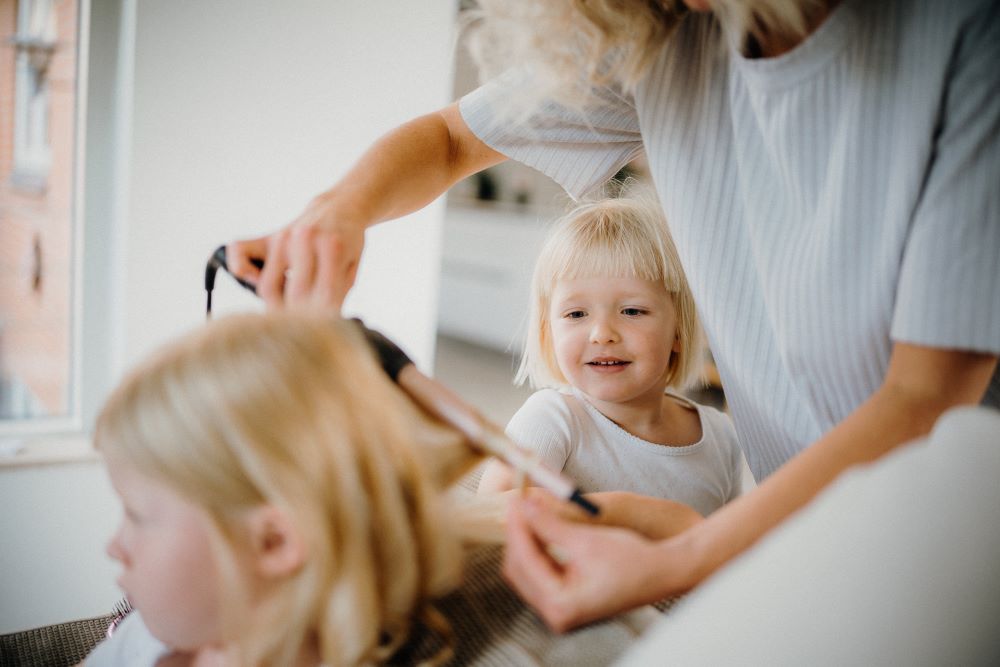 Photo by Rene Asmussen from Pexels
Sources:
Mixing heat with hair styling products may be bad for your healthSiloxane Emissions and Exposures during the Use of Hair Care Products in BuildingsHair care product and shampoo market in the U.S. - Statistics & Facts
About Sara E. Teller
Sara is a credited freelance writer, editor, contributor, and essayist, as well as a novelist and poet with nearly twenty years of experience. A seasoned publishing professional, she's worked for newspapers, magazines and book publishers in content digitization, editorial, acquisitions and intellectual property. Sara has been an invited speaker at a Careers in Publishing & Authorship event at Michigan State University and a Reading and Writing Instructor at Sylvan Learning Center. She has an MBA degree with a concentration in Marketing and an MA in Clinical Mental Health Counseling, graduating with a 4.2/4.0 GPA. She is also a member of Chi Sigma Iota and a 2020 recipient of the Donald D. Davis scholarship recognizing social responsibility. Sara is certified in children's book writing, HTML coding and social media marketing. Her fifth book, PTSD: Healing from the Inside Out, was released in September 2019 and is available on Amazon. You can find her others books there, too, including Narcissistic Abuse: A Survival Guide, released in December 2017.