5 Types of Cybersecurity for Every Lawyer to Master
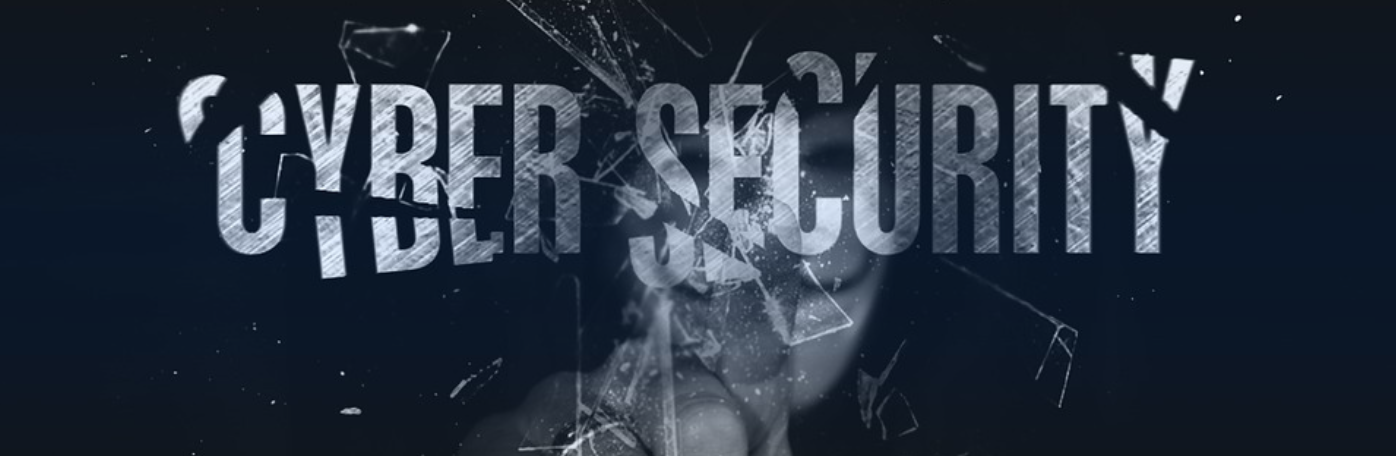
5 Types of Cybersecurity for Every Lawyer to Master
Keeping your data safe online can seem overwhelming. There are so many ways your information can be compromised, and unless you're an IT professional, you might not even realize there are gaps in your cybersecurity. Protecting your data doesn't have to be difficult, though. There are a variety of tools and services out there that can help you prevent cyber attacks.In this article, we'll look at five types of cybersecurity. Each focuses on a specific part of your IT infrastructure, so you can choose which will work best for you.1. Network SecurityNetwork attacks are one of the most common cyber attacks, especially for businesses. That's why it's so important to ensure your network is protected against outside threats.Network security is focused on protecting your computer network from a variety of different attacks. This could be employing data loss prevention measures, patching holes in your infrastructure or even encrypting data that's stored on your network. Many of these measures can be maintained by an in-house IT professional or outsourced to a managed services partner.2. Endpoint Detection and ResponseAlso known as EDR, this type of cybersecurity is focused on protecting you at each endpoint with a user. This is known as a "zero-trust" security model because it restricts even employees from accessing certain sensitive data.The most common approach to endpoint security is to add security measures to employee computers, phones, tablets and other devices they use for work. This often includes two-factor authentication whenever they try to sign in, but can also mean they're restricted to what data they can access from different devices.This can help you protect against security breaches when your employees are using public WiFi or an otherwise unsecured network.3. Cloud SecurityAnother area of your online presence that you might have to worry about is data that's stored in the cloud. Clouds are online computer servers that are typically hosted by a third party. Although many managed cloud services will take some precautions to protect their customers' data, you can never be too careful.
 Photo by Grzegorz Walczak on Unsplash
About Kevin Gardner
Kevin Gardner graduated with a BS in Computer Science and an MBA from UCLA. He works as a business consultant for InnovateBTS where he helps companies integrate technology to improve performance. He shares his knowledge and expertise not only with his clients, but also with his fellow bloggers and readers.